
Парсинг новостей в 2026 году: как извлекать новостные статьи с помощью Python, ИИ и резидентских прокси



Парсинг новостей автоматизирует процесс сбора заголовков, статей и других данных с новостных веб-сайтов. Вместо того чтобы вручную отслеживать десятки источников, компании используют парсер новостей для сбора структурированной информации для анализа, исследования рынка, мониторинга СМИ и приложений искусственного интеллекта.
Существует несколько способов извлечения новостных статей, от создания пользовательских сценариев Python для извлечения новостей с помощью BeautifulSoup или Playwright до использования инструментов извлечения на основе искусственного интеллекта. Однако по мере роста проектов новостные веб-сайты часто блокируют автоматический трафик с помощью ограничений скорости и CAPTCHA, что делает резидентские прокси необходимо для надёжного веб-скрейпинг news.
В этом руководстве вы узнаете, что такое сбор новостей, как создать парсер на Python, с какими наиболее распространенными проблемами вы можете столкнуться, и как резидентные прокси помогают обеспечить бесперебойную работу масштабных проектов по сбору данных.

Собирайте новостные данные без блокировки IP-адресов. Начните с NodeMaven версии $3.50 и получите 750 МБ в комплекте
Сканирование новостей
Скрапинг новостей — это автоматизированный процесс сбора информации с онлайн-новостных сайтов. Вместо ручного чтения статей и копирования информации в электронную таблицу, программное обеспечение посещает веб-страницы, извлекает требуемый контент и сохраняет его в структурированном формате.
Типичный скрейпер новостей может собирать такую информацию, как:
- Заголовки
- Даты публикаций
- Имена авторов
- Содержание статьи
- Категории
- Теги
- Изображения
- Связанные статьи
- URL-адреса
- Структурированные метаданные
Собранная информация затем может быть проанализирована, визуализирована или интегрирована в другие системы.
В отличие от ручного исследования, автоматизированный сбор данных позволяет круглосуточно отслеживать сотни или даже тысячи веб-сайтов.
Как работает парсинг новостей
Хотя каждый проект уникален, рабочий процесс обычно следует одному и тому же шаблону.
- Посетите новостной веб-сайт.
- Скачать HTML.
- Определите важные элементы страницы.
- Извлечь необходимые данные.
- Сохраняйте результаты в формате JSON, CSV или в базе данных.
Этот процесс может работать непрерывно, позволяя компаниям получать обновления в течение нескольких минут после публикации статьи.
Скрейпинг новостей против RSS-каналов
Многие новички задаются вопросом, устраняют ли RSS-каналы необходимость в парсинге новостей.
RSS полезен, но имеет важные ограничения.
| RSS-лента | Парсинг новостей |
| Доступно только при наличии у издателя | Работает почти с любым общедоступным веб-сайтом |
| Обычно содержит заголовки и краткие изложения | Можем ли мы извлечь полные статьи |
| Ограниченные метаданные | Доступ к гораздо более богатым данным |
| Исправленный формат | Полностью настраиваемое извлечение |
RSS-каналы отлично подходят для простого мониторинга новостей. Однако они редко содержат все необходимое для исследований или крупномасштабной аналитики. Если вам нужны полные статьи, метаданные, изображения или структурированная информация, извлекайте новостные статьи напрямую с веб-сайта.
Почему компании и разработчики парсят новостные сайты
Ценность новостей часто зависит от скорости. Компании, получающие информацию раньше, могут реагировать быстрее, чем их конкуренты. Это одна из главных причин, по которым организации предпочитают парсить новостные сайты, а не собирать информацию вручную.
Давайте рассмотрим наиболее распространенные сценарии использования.
1. Медиа мониторинг
Компании постоянно отслеживают онлайн-публикации на предмет упоминаний своего бренда, руководителей или продуктов.
Вместо того чтобы искать вручную каждый день, компании используют новостной скрапинг для автоматического сбора актуальных статей.
Это позволяет PR-командам:
- Обнаруживать новые упоминания немедленно
- Отслеживать освещение в СМИ с течением времени
- Измерьте эффективность кампании
- Быстро выявлять негативные публикации
Крупные организации часто отслеживают сотни издателей одновременно.
2. Исследование рынка и конкурентов
Разведка конкурентов стала важной частью бизнес-стратегии.
Организации собирают новостные статьи, чтобы узнать:
- Запуск продуктов
- Объявления о финансировании
- Партнерства
- Изменения в руководстве
- Обновления цен
Эта информация помогает компаниям быстрее реагировать на изменения в отрасли.
Вместо того чтобы каждое утро просматривать десятки веб-сайтов, аналитики автоматически получают структурированные обновления.
3. Финансовый анализ
Финансовые рынки реагируют на информацию практически мгновенно.
Инвестиционные фирмы часто объединяют сбор новостей с помощью веб-скрейпинга с моделями машинного обучения для выявления рыночных сигналов.
Примеры включают:
- Отчеты о прибылях
- Новости о слиянии
- Экономические отчеты
- Решения центрального банка
- Руководство компании
- Обновления регулирования
Собирая информацию автоматически, аналитики могут обрабатывать тысячи статей гораздо быстрее, чем любая команда людей.
4. Обучение ИИ и наборы данных больших языковых моделей
Современным моделям ИИ требуется огромное количество актуального текста.
Многие организации используют извлечение новостей с помощью ИИ в сочетании с традиционными рабочими процессами Python для создания наборов данных, содержащих:
- Новости технологий
- Политические новости
- Бизнес-отчеты
- Научные публикации
- Региональные публикации
Свежие новости помогают языковым моделям оставаться в курсе текущих событий.
Структурированные наборы данных также улучшают последующие задачи, такие как суммаризация, классификация и ответы на вопросы.
5. Анализ тональности
Новостные статьи содержат ценную информацию об общественном мнении и настроениях на рынке.
Исследователи собирают тысячи статей перед измерением:
- Позитивный настрой
- Негативный настрой
- Нейтральное освещение
- Популярность темы
- Изменения с течением времени
Вместо того чтобы полагаться на горстку публикаций, аналитики могут одновременно оценивать информацию из сотен источников.
Создавайте надежные скрипты для сбора новостей с помощью чистых прокси-серверов для частного использования. Начните с NodeMaven от $3.50 и получите 750 МБ в комплекте
Я могу извлекать из новостных статей информацию о: - **Участниках:** имена людей, организаций, правительственных органов. - **Событиях:** что произошло, где, когда. - **Местоположениях:** города, страны, конкретные места. - **Датах и времени:** когда произошло событие. - **Ключевых фразах и темах:** основные понятия, обсуждаемые в статье. - **Числовых данных:** статистические данные, финансовые показатели, количественные оценки. - **Отношениях между сущностями:** кто с кем связан, какие действия были совершены. - **Мнениях и настроениях:** позитивные, негативные или нейтральные высказывания.
Одним из главных преимуществ сбора новостей является гибкость. Вы не ограничены заголовками. Современные инструменты сбора данных могут извлекать практически любую информацию, доступную на веб-странице.
Точные поля зависят от издателя, но большинство проектов извлекают следующие данные.
| Данные | Почему это важно |
| Заголовок | Основной заголовок статьи |
| Автор | Указать журналистов и авторов |
| Дата публикации | Создавайте временные шкалы и отслеживайте новый контент |
| Тело статьи | Анализ текста и обучение ИИ |
| Категории | Сгруппировать материалы по темам |
| Теги | Улучшить поиск и фильтрацию |
| Изображения | Создавать мультимедийные наборы данных |
| Связанные статьи | Узнать дополнительный контент |
| URL-адреса | Сохраняйте ссылки и просматривайте страницы повторно |
| Метаданные | Совершенствование структурного анализа |
Многие современные издатели встраивают структурированные метаданные непосредственно в свои страницы, используя разметку JSON-LD или Schema.org. Этот подход обычно быстрее и надежнее, чем полное полагание на HTML-селекторы.
По возможности проверяйте структурированные данные перед написанием пользовательской логики парсинга.
Создание лучших наборов данных
Наиболее ценные наборы данных объединяют в себе несколько полей, а не только хранят текст статей.
Объединение этих полей делает последующий анализ намного более мощным.
Будь то обучение модели искусственного интеллекта, отслеживание конкурентов или создание рекомендательного движка — более богатые наборы данных почти всегда дают лучшие результаты.
Три способа сбора новостей
Не существует единственного лучшего способа парсинга новостей. Правильный подход зависит от ваших технических навыков, масштаба проекта, бюджета и веб-сайтов, с которых вы хотите собирать данные.
Сегодня большинство команд выбирают один из трех методов.
| Метод | Сложность | Гибкость | Лучше всего подходит для |
| AI-powered новостной скрапинг | Низкий | Medium | Быстрое извлечение данных с нескольких веб-сайтов |
| Python новости парсинг | Medium | Высокий | Полный контроль и крупномасштабная автоматизация |
| API для парсинга новостей | Низкий | Medium | Быстрое развертывание с минимальным обслуживанием |
AI-powered новостной скрапинг
AI веб-скрейпинг использует большие языковые модели для понимания содержимого веб-страницы и автоматического извлечения структурированной информации.
Вместо того чтобы писать пользовательские селекторы для каждого издателя, разработчики предоставляют HTML или URL веб-страницы и просят модель определить важные поля.
Преимущества
- Быстро внедрить
- Работает на множестве макетов веб-сайтов
- Хорошо обрабатывает несовместимый HTML
- Отлично для прототипов
Ограничения
- Стоимость API растёт с увеличением объёма
- Вывод может потребовать проверки
- Большие страницы потребляют больше токенов
- Некоторые веб-сайты по-прежнему требуют автоматизации браузера, прежде чем ИИ сможет обработать контент
ИИ особенно хорошо работает для веб-сайтов с непоследовательными макетами или быстро меняющимся дизайном.
Python новости парсинг
Парсинг новостей с помощью Python остается самым популярным подходом среди разработчиков, поскольку он предлагает полную гибкость.
Популярные библиотеки включают:
- Запросы
- BeautifulSoup
- Playwright
- Scrapy
Если вы новичок в автоматизации браузера, наш Руководство по прокси Playwright в ней объясняется, как настроить прокси для надежного сбора данных. Разработчики могут настраивать каждый этап процесса извлечения данных.
Преимущества
- Полный контроль
- Низкие эксплуатационные расходы
- Простая интеграция с базами данных
- Подходит для крупных проектов
Ограничения
- Требуются знания программирования
- Требует регулярного обслуживания
- Обновления сайта могут сломать селекторы
Если вы учитесь парсить новостные статьи, Python обеспечивает прочную основу на долгий срок.
API для парсинга новостей
Некоторые компании предпочитают готовые скрапинговые сервисы.
Вместо обслуживания инфраструктуры они просто отправляют запросы к API и получают структурированные данные статей.
Преимущества
- Быстрая настройка
- Минимальное обслуживание
- Встроенная инфраструктура
Ограничения
- Меньшая гибкость
- Выше текущие расходы
- Ограниченная настройка
API хорошо подходят для организаций, которые хотят получить быстрые результаты без необходимости создавать собственную инфраструктуру для скрапинга.
В следующем разделе мы шаг за шагом создадим практичный скрейпер новостей на Python с использованием библиотек Requests, BeautifulSoup и Playwright.
Сбор данных с новостных сайтов в больших объемах с помощью быстрых прокси-серверов из частных сетей. Начните с NodeMaven от $3.50 и получите 750 МБ в комплекте
Как построить парсер новостей на Python
Пришло время создать простой скрейпер. Хотя каждая веб-страница структурирована по-разному, общий рабочий процесс остается практически идентичным.
В этом разделе вы узнаете, как создать парсер новостей с помощью Python. Мы будем использовать несколько популярных библиотек, которые широко применяются в сообществе скрапинга.
Установите необходимые библиотеки
Прежде чем писать код, установите необходимые библиотеки.
Вот что делает каждый пакет:
| Библиотека | Цель |
| Запросы | Загружает HTML веб-страницы |
| BeautifulSoup | Разбирает HTML и извлекает данные |
| Playwright | Рендерит веб-сайты с активным использованием JavaScript |
| Pandas | Сохраняет данные в CSV-файлы |
Эти библиотеки покрывают большинство проектов по сбору новостей на Python.
Шаг 1. Выберите новостной сайт
Начните с выбора веб-сайта, который вы хотите просканировать.
Хорошие сайты для начинающих обычно:
- Соблюдайте единообразный макет статьи
- Не требовать аутентификации пользователя
- Выводить контент непосредственно в формате HTML
- Не полагайтесь сильно на JavaScript
Перед тем как писать какой-либо код, откройте новостную статью и изучите ее HTML, используя инструменты разработчика вашего браузера.
Искать:
- <h1> для заголовка
- <time> для даты публикации
- Элементы автора
- Контейнер статьи
- Элементы абзаца
Понимание структуры страницы сэкономит часы отладки в будущем.
Шаг 2. Скачайте веб-страницу
Статические новостные веб-сайты можно загрузить с помощью Запросы библиотека.
Зачем использовать пользовательские заголовки?
Многие издатели отклоняют запросы, похожие на отправленные ботами.
Реалистичный User-Agent делает ваш запрос похожим на обычный браузер, а не на скрипт для сбора данных.
Всегда проверяйте HTTP-код состояния перед продолжением.
Общие ответы включают:
| Код состояния | Значение |
| 200 | Успех |
| 301/302 | Перенаправление |
| 403 | Запрещено |
| 404 | Страница не найдена |
| 429 | Слишком много запросов |
Если вы получаете много ответов 403 или 429, скорее всего, веб-сайт блокирует автоматизированный трафик.
Шаг 3. Разбор HTML
После того как вы скачали страницу, пора извлекать информацию.
Вот где BeautifulSoup Сбор новостей становится полезным.
BeautifulSoup преобразует необработанный HTML в удобный для поиска документ.
Вместо того чтобы вручную искать в сотнях строк HTML, вы можете находить элементы с помощью простых селекторов.
Шаг 4. Извлеките заголовок
Большинство новостных статей хранят свои заголовки внутри <h1> метка.
Вывод:
Если сайт использует пользовательский HTML, проверьте страницу и соответствующим образом обновите селектор.
Шаг 5. Извлечь автора
Многие издатели включают элемент автора.
Например:
Имейте в виду, что каждый веб-сайт отличается.
Один издатель может использовать:
Другой может использовать:
Никогда не предполагайте, что селекторы работают на разных веб-сайтах.
Шаг 6. Извлечь дату публикации
Даты публикации часто хранятся внутри элемента <time>.
Пример вывода:
Этот временной код намного легче обрабатывать, чем извлекать форматированный текст.
Шаг 7. Извлечение содержимого статьи
Основной текст статьи обычно состоит из нескольких абзацев.
Это объединяет каждый абзац в одну строку, которую впоследствии можно сохранить или проанализировать.
Если сайт не использует элемент <article>, изучите HTML и обновите свой селектор.
Шаг 8. Проверка структурированных данных
Прежде чем создавать десятки HTML-селекторов, проверьте, предоставляет ли издатель уже структурированные данные.
Многие новостные сайты включают JSON-LD.
Это часто самый надежный способ извлечь:
- заголовок
- автор
- дата публикации
- издатель
- основное изображение
Многие разработчики упускают этот шаг, хотя он может значительно упростить сбор новостей на Python.
Шаг 9. Сохраните результаты в формате JSON
После того как вы извлечете информацию, сохраните ее в структурированном формате.
JSON идеально подходит для:
- APIs
- Конвейеры ИИ
- базы данных
- обмен данными
Шаг 10. Сохранить несколько статей в CSV
Если вам приходится собирать данные с десятков или сотен страниц, формат CSV становится более удобным.
Файлы CSV хорошо совместимы со следующими программами:
- Excel
- Google Таблицы
- Power BI
- Tableau
- Библиотеки Python для аналитики
Обработка JavaScript-сайтов с помощью Playwright
Многие современные издатели загружают свой контент динамически.
Когда Requests загружает страницу, важные элементы могут просто отсутствовать.
Именно здесь сбор новостей с помощью Playwright становится незаменимым.
Playwright запускает реальный браузер, ждёт окончания загрузки JavaScript, а затем возвращает финальный HTML.
Теперь можно передавать отрендеренный HTML непосредственно в BeautifulSoup.
Этот подход подходит для многих современных новостных сайтов, в которых используется JavaScript.
Добавление поддержки прокси
Когда вы начнете массово парсить новостные сайты, вы в конечном итоге столкнетесь с ограничениями скорости и блокировками IP-адресов.
Вместо того чтобы отправлять каждый запрос с одного и того же IP-адреса, направляйте трафик через резидентские прокси.
С использованием жилых прокси для веб-скрейпинга распределяет запросы по большому пулу реальных жилых IP-адресов, делая ваш трафик похожим на обычную активность пользователя.
Вот простой пример использования NodeMaven.
Для крупных проектов, ротационные резидентские прокси помощь:
- Сократить блоки IP
- Избегайте ограничений по частоте запросов
- Доступ к контенту с географическими ограничениями
- Повысить надежность скрапинга
NodeMaven поддерживает как сессии с ротацией, так и «привязанные» сессии, что позволяет вам выбирать, будет ли каждый запрос использовать новый IP-адрес или сохранять одну и ту же идентификацию при нескольких запросах.
Используйте премиум-прокси для частных пользователей в своих проектах по сбору новостей на Python. Начните с NodeMaven от $3.50 и получите 750 МБ в комплекте
Добавить логику повторных попыток
Сбои в сети случаются.
Вместо того чтобы останавливаться после одного неудачного запроса, автоматически повторяйте попытку.
Логика повторных попыток делает ваш скрейпер намного более надежным.
Распространённые ошибки новичков
Даже опытные разработчики сталкиваются с проблемами при освоении методов извлечения информации из новостных статей.
Избегайте следующих распространённых ошибок:
- Отправка запросов слишком быстро
- Игнорирование кодов статуса HTTP
- Жесткое кодирование хрупких CSS-селекторов
- Неучет отсутствующих элементов
- Неиспользование заголовков браузера
- Игнорируя структурированные данные, такие как JSON-LD
- Сохранение неструктурированного текста вместо JSON
- Пропуск логики повторных попыток
- Использование одного IP-адреса для тысяч запросов
Незначительные усовершенствования вашего скребка могут значительно повысить его надежность.
Полный рабочий процесс парсинга новостей
Когда все будет подключено, общий процесс выглядит следующим образом:
Этот рабочий процесс может масштабироваться от сбора нескольких статей в день до обработки тысяч страниц от нескольких издателей. В следующем разделе мы рассмотрим основные проблемы при скрапинге новостей, причины блокировки сайтами скраперов и лучшие практики для построения надежных конвейеров сбора больших объемов данных.
Распространенные проблемы при скрапинге новостей
Создание рабочего скрепера — это только первый шаг. Поддержание его надежности на протяжении недель или месяцев намного сложнее.
Понимание этих проблем на раннем этапе сэкономит вам бесчисленные часы отладки и обслуживания.
Защита от ботов
Большинство крупных издателей активно отслеживают входящий трафик. Их цель — отличать реальных посетителей от автоматизированных инструментов.
Современные антибот системы анализируют такие факторы, как:
- Частота запросов
- Репутация IP-адреса
- Отпечатки браузера
- HTTP заголовки
- Движения мыши
- Выполнение JavaScript
- Поведение файлов cookie
Если ваш скрейпер ведет себя не так, как обычный пользователь, ваши запросы могут быть заблокированы еще до того, как вы достигнете статьи.
Для небольших проектов это может произойти после нескольких сотен запросов. Для более крупных проектов это может произойти гораздо раньше, если весь трафик поступает с одного IP-адреса.
КАПЧА
Некоторые веб-сайты используют CAPTCHA для проверки подозрительных посетителей.
Вместо запрошенной страницы они отображают экран проверки, предлагающий пользователям доказать, что они люди.
Распространенные поставщики CAPTCHA включают:
- Google reCAPTCHA
- hCaptcha
- Cloudflare Turnstile
Уменьшить вероятность их возникновения, как правило, эффективнее, чем пытаться решить их после.
Рендеринг JavaScript
Многие новостные издания больше не включают содержание статьи в первоначальный HTML-ответ.
Вместо этого JavaScript загружает контент после завершения рендеринга страницы.
Это создает распространенную проблему.
Ваш Запросы Скрипт успешно скачивает страницу.
Статья отсутствует.
Фреймворки автоматизации браузеров, такие как Playwright, решают эту проблему, отрисовывая страницу перед извлечением HTML.
Если вы заметили пустые контейнеры или отсутствующий текст статьи, причиной часто является отрисовка JavaScript.
Ограничения скорости
Большинство веб-сайтов ограничивают количество запросов, которые один посетитель может отправить в течение определенного периода времени.
Если ваш скрейпер загружает сотни страниц за несколько минут, сервер может временно заблокировать ваш IP-адрес.
Типичные симптомы включают:
- HTTP 429 ответы
- Неожиданные перенаправления
- Пустые страницы
- Временные баны
Добавление задержек между запросами и ротация IP-адресов помогает более естественно распределять трафик.
Динамический контент
Современные веб-сайты постоянно меняются.
Поскольку элементы страницы часто перемещаются, CSS-селекторы, которые работали вчера, могут перестать работать завтра.
По этой причине скрейперы для продакшена всегда должны включать мониторинг и логирование ошибок.
Геоограниченный контент
Многие издатели отображают разный контент в зависимости от местоположения посетителя.
Например:
- Региональные выпуски
- Местные новости
- Заголовки по странам
- Языковые вариации
Некоторые веб-сайты даже блокируют посетителей из определенных стран.
Если ваш проект требует сбора локализованного контента, геолокация по IP становится чрезвычайно важной.
Редизайн сайтов
Издатели регулярно меняют дизайн своих веб-сайтов.
Даже небольшое изменение HTML может сломать десятки CSS-селекторов.
Вместо того чтобы предполагать, что селекторы будут оставаться стабильными навсегда, проектируйте свой скрейпер так, чтобы он:
- Сбой извлечения журналов
- Уведомляет об исчезновении полей
- Поддерживает несколько резервных селекторов
- Проверяет структурированные данные перед разбором HTML
Избегайте ограничений по скорости и CAPTCHA при сборе новостей. Начните с NodeMaven от $3.50 и получите 750 МБ
Почему резидентные прокси необходимы для парсинга новостей
Как бы хорошо ни был написан ваш парсер, повторяющиеся запросы с одного IP-адреса могут быстро привести к блокировкам, появлению капчи или ограничению скорости. Именно поэтому резидентские прокси для веб-скрапинга являются неотъемлемой частью крупномасштабного парсинга новостей.
В отличие от прокси-серверов дата-центров, резидентные прокси-серверы маршрутизируют трафик через реальные IP-адреса жилых домов. Это делает запросы более похожими на обычную пользовательскую активность и снижает риск обнаружения.
Ключевые преимущества резидентных прокси
Уменьшить блоки IP
Вращающиеся резидентные IP-адреса распределять запросы по нескольким адресам, делая активность скрейпинга более естественной и снижая вероятность блокировки.
Избегать ограничений частоты
Вместо отправки каждого запроса с одного IP-адреса, вращение прокси распределяет трафик по большему пулу IP-адресов, помогая предотвратить ошибки HTTP 429.
Получить доступ к новостям с географическими ограничениями
Многие издатели отображают различные статьи в зависимости от местоположения посетителя. Резидентские прокси позволяют ориентироваться на конкретные страны или города, чтобы собрать локализованный контент для:
- Маркетинговые исследования
- Политический мониторинг
- Региональные новости агрегирование
- Анализ тональности
Поддерживать стабильные сеансы
Некоторые рабочие процессы требуют нескольких запросов от одного и того же посетителя. Прилипшие сеансы сохраняют тот же IP-адрес в течение заданного периода, повышая согласованность при навигации по многостраничным веб-сайтам.
Масштабируйтесь с уверенностью
По мере роста вашего проекта резидентные прокси позволяют одновременно парсить больше веб-сайтов, сохраняя при этом высокие показатели успеха и минимизируя перебои.
Почему NodeMaven подходит для масштабных проектов
По мере роста скрапинг-проектов качество прокси становится столь же важным, как и их количество.
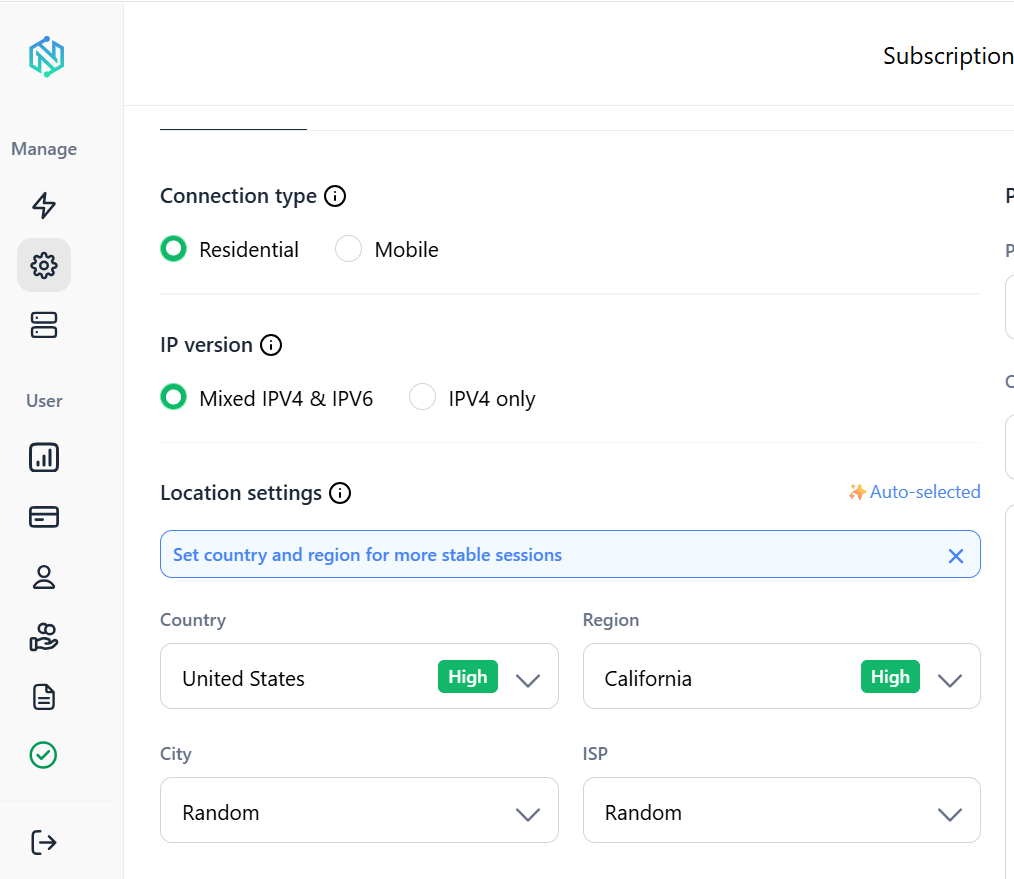
NodeMaven предоставляет инфраструктуру, разработанную для требовательных рабочих нагрузок веб-скрапинга, включая:
- Более 30 миллионов жилых IP-адресов
- Покрытие в более чем 150 странах
- Доступ к более чем 1400 локациям
- Высококачественная IP-фильтрация
- Качество IP-адреса «чистое» — более 95%
- Ротационные резидентские прокси
- Поддержка Sticky Sessions
- Надежное соединение
Эти функции помогают сократить количество прерываний при сборе больших объемов статей от издателей по всему миру.
Вместо того чтобы заменять ваши инструменты для скрапинга, NodeMaven дополняет их, предоставляя надежную сетевую инфраструктуру.
Лучшие практики для масштабного парсинга новостных сайтов
Успешные проекты по веб-скрапингу строятся на последовательности, а не на скорости.
1. Соблюдайте правила веб-сайта
Всегда проверяйте веб-сайт Условия обслуживания и robots.txt файл до скрейпинга.
У разных издателей разные ожидания относительно автоматизированного доступа.
2. Ответственно ротируйте IP-адреса
Ротация IP-адресов должна выглядеть естественно.
Избегайте отправки сотен запросов одновременно через только что назначенные IP-адреса.
3. Случайное время отправки запросов
Реальные пользователи не кликают ровно каждую секунду.
Вводите случайные задержки между запросами.
4. Кэшировать ранее загруженные страницы
Избегайте повторной загрузки одной и той же статьи.
Кэширование уменьшает ненужные запросы, повышая при этом производительность парсера.
5. Отслеживайте свои селекторы
Макеты веб-сайтов часто меняются.
Регулярно проверяйте, продолжает ли ваш скрапер извлекать:
- Заголовки
- Авторы
- Даты публикаций
- Текст статьи
6. Хранить структурированные данные
По возможности сохраняйте структурированный вывод вместо необработанного HTML.
Форматы, такие как JSON, значительно упрощают последующую обработку.
Заключение
Сбор новостей помогает компаниям быстрее собирать и анализировать информацию, чем ручные исследования. Независимо от того, используете ли вы ИИ, Python или автоматизацию браузера, правильные инструменты позволяют легко создавать масштабируемые процессы сбора данных.
По мере роста вашего проекта жилые прокси становятся незаменимыми для обхода блокировок IP-адресов, обработки ограничений скорости и доступа к региональному контенту. Имея более 30 миллионов жилых IP-адресов в более чем 190 странах и более 1400 местоположениях, NodeMaven предоставляет надежную инфраструктуру, необходимую для бесперебойной работы проектов по скрейпингу новостей в больших масштабах.
Без проблем извлекайте заголовки, статьи и метаданные. Начните с NodeMaven от $3.50 и получите 750 МБ


