
Лучший стек для веб-скрапинга с AI в 2026 году



Пытаетесь понять, на каких AI-инструментах для скрапинга действительно стоит строить решения в 2026 году, а какие представляют собой просто традиционный скрапер с прикрученной сверху LLM?
Это руководство для разработчиков и команд по работе с данными, выбирающих стек для скрапинга на базе AI; оно собрано на основе того, что практикующие специалисты обсуждают и тестируют прямо сейчас, и сверено с собственной документацией и ценами каждого инструмента.
Что на самом деле отличает эти инструменты
Прежде чем что-либо ранжировать, три вопроса определяют, выдержит ли AI-инструмент для скрапинга проверку после демо:
- Генерирует ли он полноценный скрапер или лишь форматирует то, что вы уже загрузили? Некоторые инструменты (ScrapeOps, ScrapeGraphAI) выполняют весь конвейер: загрузку, рендеринг, извлечение. Другие (LLM Scraper, Scrapy-LLM) представляют собой слой, который вы встраиваете в уже имеющийся у вас конвейер.
- Что происходит на запутанной, неочевидной разметке? Вложенные div-ы, аккордеоны и непоследовательная верстка — это как раз то, где AI-инструменты извлечения чаще всего начинают угадывать вместо того, чтобы читать, так что стоит протестировать на вашей реальной худшей странице, а не на демо от вендора.
- Откуда берется прокси? Каждый из этих инструментов либо загружает данные через собственный встроенный пул прокси (обычно с наценкой), либо ожидает, что вы предоставите свой. Один этот факт влияет на вашу реальную стоимость сильнее, чем любая функция из списка.
Стек AI-скрапинга в 2026 году: обзор от команды NodeMaven
Firecrawl
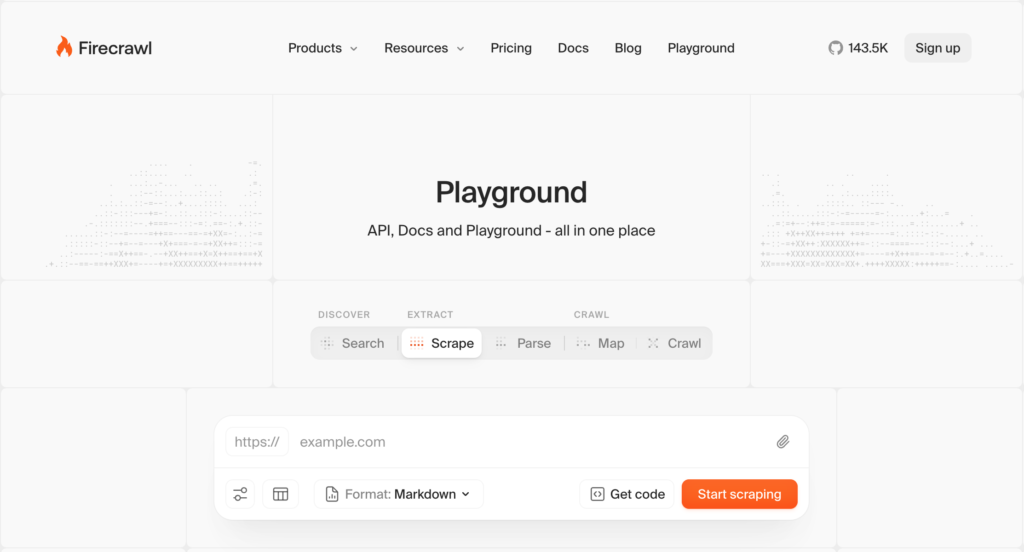
Превращает любой URL в чистый markdown или структурированный JSON, специально созданный для LLM- и RAG-конвейеров, с нативной интеграцией LangChain/LlamaIndex и MCP-сервером для AI-агентов для написания кода.
Это самый простой в освоении инструмент здесь, а качество извлечения на несложных страницах действительно высокое.
Загвоздка в кредитной системе: стандартный скрапинг стоит 1 кредит, но Stealth Mode, который понадобится вам в тот момент, когда на целевом сайте включена защита в стиле Cloudflare, поднимает цену до 5 кредитов за страницу, а извлечение данных на базе AI обходится тоже в 5 кредитов.
Рабочий процесс с обходом и последующим извлечением может обойтись в 7 кредитов за страницу, а не в 1, и это самый частый сюрприз, о котором сообщают команды, когда сверяют реальный счёт с заявленной ценой $16 в месяц. Тарификация только по подписке, а неиспользованные кредиты не переносятся.
Лучше всего подходит для: Продукты AI/RAG, которым нужен чистый текст с произвольных URL, причём быстро.
ScrapeGraphAI
Платформа с приоритетом на AI, построенная вокруг простой идеи: опишите в промпте, что вам нужно, и конвейер на основе графа превратит страницу в типизированный JSON, проверенный по схеме.
Поскольку она анализирует структуру страницы семантически, а не сопоставляет фиксированные селекторы, она продолжает работать, когда сайт меняет положение элемента с ценой или переименовывает CSS-класс, то есть именно в том сценарии сбоя, который ломает традиционные скраперы.
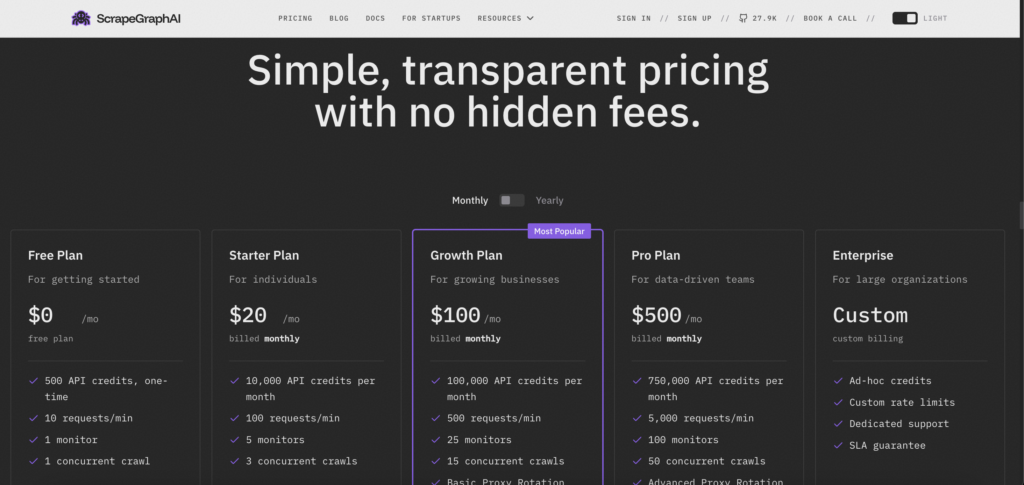
Компромисс здесь в стоимости за страницу. По оценкам, SmartScraper обходится примерно в $0,021 за страницу против примерно $0,004 за страницу у Firecrawl для сопоставимого извлечения.
Вы платите за вызов LLM при каждом отдельном запросе, и при реальных объёмах это быстро накапливается. К тому же он больше ориентирован на разработчиков, чем на новичков; если вам нужен визуальный no-code инструмент, это не он.
Лучше всего подходит для: Разработчикам, которым нужен типизированный, валидированный JSON на выходе и которые готовы нести расходы на LLM в расчёте на каждую страницу.
ScrapeOps
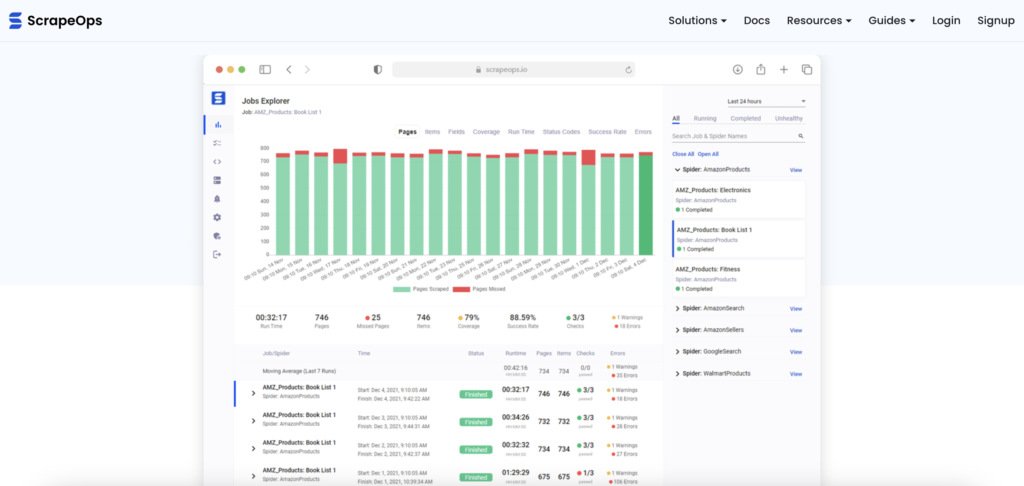
Не столько инструмент для извлечения данных на базе AI, сколько скрапер с AI-ассистированием генератор: укажите до пяти URL-адресов страниц товаров, выберите Python или Node.js и библиотеку, и он анализирует структуру страницы и пишет полноценный, работающий скрапер, включая шаг самовосстановления, который тестирует код на реальных данных страницы и автоматически исправляет поля, возвращающиеся с ошибками.
Это действительно ближе к готовности для продакшена, чем большинство инструментов в этом списке. Но он генерирует код для извлечения данных, а не инфраструктуру под ним. Вы по-прежнему сами отвечаете за настройку собственных прокси и обработку ограничений частоты запросов после того, как сгенерированный скрапер запущен. AI-слой убирает примерно пятую часть всего рабочего процесса, а инфраструктурный слой по-прежнему остаётся остальными четырьмя пятыми.
Лучше всего подходит для: Командам, которым нужен реальный стартовый скрапер, сгенерированный для известного типа страницы (товар, поиск, категория), а не написанный с нуля.
Crawl4AI
Open-source-ответ Firecrawl — более 60K звёзд на GitHub, Apache 2.0, создан специально для вывода чистого markdown для RAG- и agent-пайплайнов, со стратегиями извлечения на основе CSS, XPath или LLM.
Без системы кредитов, без привязки к вендору, а независимое тестирование показывает, что он работает в несколько раз быстрее Firecrawl на сопоставимых задачах.
Компромисс ровно такой, какого и следует ожидать от open source: нет управляемого сервиса. Инфраструктура полностью на вас: прокси, масштабирование, повторные попытки и адаптация ко всем изменениям на целевом сайте. Это правильный компромисс для команд с реальными ресурсами Python/DevOps, которые не хотят оплаты за каждый запрос; и неправильный, если вам нужно решение, работающее «из коробки» без каких-либо операционных затрат.
Лучше всего подходит для: Разработчики, которым нужен полный контроль и которые готовы взять на себя операционную сторону.
LLM Scraper и Scrapy-LLM
Оба являются библиотеками, а не платформами.
Они встраивают извлечение данных на основе LLM в уже имеющийся у вас стек для скрапинга (Node/TypeScript для LLM Scraper, Python/Scrapy для Scrapy-LLM), не заменяя его. Полная поддержка Playwright в LLM Scraper делает его достаточно популярным выбором для команд, которые уже комфортно чувствуют себя в этой экосистеме.
Оба остаются зависимыми от внешней LLM для непосредственного этапа извлечения, поэтому вы наследуете ту же настройку промптов и обработку граничных случаев, что и в любом инструменте извлечения на базе AI.
Лучше всего подходит для: Команды, которые уже используют Scrapy или Node-стек для скрапинга и хотят добавить извлечение на базе AI без смены платформы.
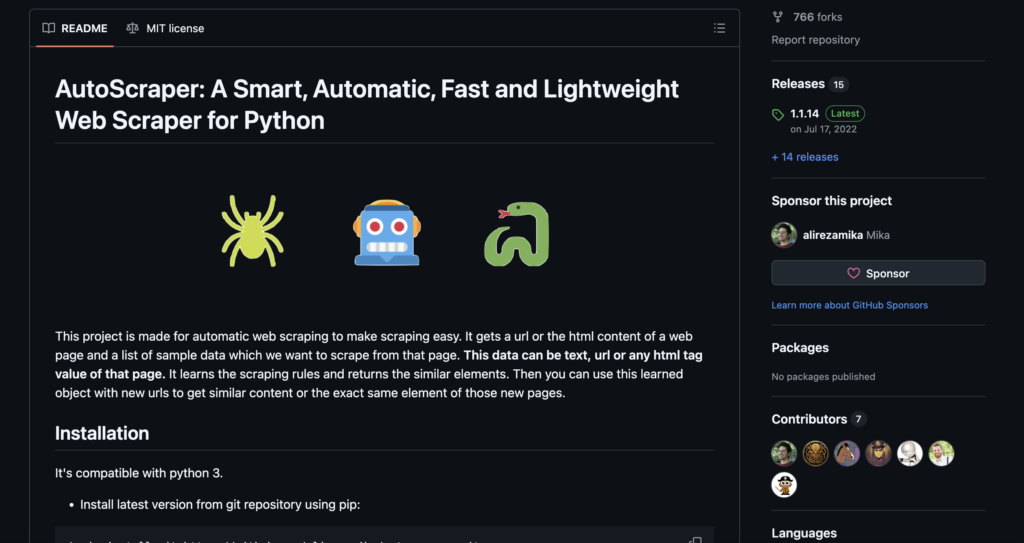
Библиотека AutoScraper (GitHub)
Лёгкая библиотека с открытым исходным кодом, использующая небольшие локальные модели для снижения вычислительных затрат. Вы один раз определяете нужные элементы, а она учится находить похожие паттерны на целевом сайте. Быстрая в настройке, действительно полезна для быстрых прототипов и разовых задач.
На неё постоянно указывают как на не предназначенную для более масштабных продакшн-нагрузок. Рассматривайте её как быстрый способ проверить идею перед переходом на более серьёзный инструмент.
Лучше всего подходит для: Быстрые прототипы и разовые задачи извлечения, а не постоянный продакшн-скрапинг.
Browse AI
No-code визуальная платформа.
Вы один раз записываете, как сами кликаете по странице, а робот запоминает этот шаблон и повторяет его по расписанию, автоматически подстраиваясь под незначительные изменения в верстке (переехавшая кнопка, новое всплывающее окно). Прокси и планирование берутся на себя за вас.
Он создан для повторяющихся, не требующих технических навыков задач по извлечению данных. Надежность при переработках здесь важнее, чем чистая скорость или разовый масштаб. Это не тот инструмент, который подходит для единичного крупного разового обхода.
Лучше всего подходит для: Нетехнические команды, которые снова и снова со временем отслеживают одни и те же страницы.
Octoparse
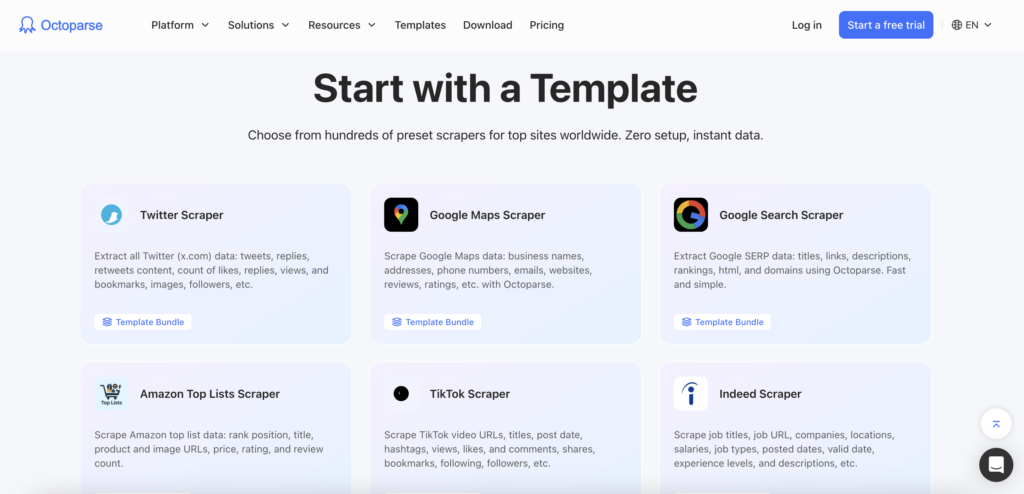
Визуальный no-code скрапер с AI-автоопределением полей данных, более чем 600 готовыми шаблонами и облачным выполнением со встроенной ротацией IP и решением CAPTCHA. По-настоящему полезен на сайтах, которые активно сопротивляются с помощью бесконечной прокрутки или агрессивных антибот-слоев.
Цены начинаются примерно от $69-89 в месяц, а использование прокси/CAPTCHA оплачивается отдельно сверх этого ($3 за GB для резидентных прокси, по данным независимых разборов цен) — это стоит заложить в бюджет, прежде чем принимать решение, поскольку базовая подписка это не покрывает.
Он также работает только на Windows/Mac, без поддержки Linux для конструктора рабочих процессов.
Лучше всего подходит для: Нетехнические команды, сталкивающиеся с по-настоящему враждебными целевыми сайтами, с которыми более простые no-code инструменты не справляются.
Apify
Маркетплейс с более чем 35 000 готовых Акторы охватывающих большинство крупных платформ (Instagram, Amazon, Google Карты, LinkedIn), а также open-source SDK Crawlee, если вы хотите собрать собственное решение. Несколько Actors теперь добавляют AI-извлечение поверх базового скрапинга.
Чаще всего сюрпризом для бюджета становится: rтрафик резидентных прокси, который оплачивается отдельно по цене примерно $8 за GB.
Один запуск с большим объёмом JavaScript против защищённой цели может израсходовать весь лимит кредитов тарифа Starter за $29 всего за несколько дней, и цена за вычислительные единицы на странице платформы выглядит дешёвой, пока не появится эта статья расходов.
Лучше всего подходит для: Скрапинг известной платформы без написания кода или организация многоэтапного конвейера из готовых блоков.
steel.dev
Open-source, облачный браузерный API, специально созданный для AI-агентов.
Запускайте программно реальные сессии Chrome, поддерживайте их активными до 24 часов и подключайтесь через Playwright, Puppeteer, или Selenium без необходимости самостоятельно управлять браузерной инфраструктурой. По имеющимся данным, он существенно сокращает расход токенов LLM, возвращая очищенный извлечённый контент вместо необработанных дампов страниц.
Это уровень браузера и сессий, а не инструмент для извлечения данных. Вам всё равно нужно дополнить его собственным этапом AI-парсинга (или другим инструментом из этого списка) поверх него. Трафик прокси и решение CAPTCHA тарифицируются отдельно в зависимости от уровня использования.
Лучше всего подходит для: Агентные рабочие процессы, которым нужны реальные постоянные браузерные сессии, а не разовые загрузки страниц.
Где вам понадобятся прокси
| Инструмент | Прокси в комплекте? | Что уже предлагается | Можно ли использовать собственные (BYO)? | Вердикт |
|---|---|---|---|---|
| Firecrawl | Да | Включено в подписку. Stealth Mode = 5 кредитов за страницу вместо 1 | Нет, прокси встроен в архитектуру, возможности подключить собственный нет | Нельзя использовать собственные. Если цели защищены, вы платите множитель 5x, и обойти это никак не получится |
| ScrapeGraphAI | Да | Включено в стоимость LLM за страницу (~$0.021 за страницу) | Нет, прокси является частью управляемого пайплайна | Как и у Firecrawl, наценка заложена в цену, обойти её невозможно |
| ScrapeOps | Нет (в AI Scraper Builder) | Генерирует только код скрапера, прокси не включён | Да, обязательно | Без прокси сгенерированный скрапер не сможет пройти детекцию |
| Crawl4AI | Нет | С открытым исходным кодом, self-hosted, инфраструктура вообще не включена | Да, обязательно | На 100% нужны собственные |
| LLM Scraper / Scrapy-LLM | Нет | Библиотека, а не платформа | Да, обязательно | Прокси полностью на вас |
| AutoScraper | Нет | Локальная библиотека | Да, обязательно | Вы можете обойтись без них для простых прототипов на несложных целях, но для чего-то более серьёзного нужны прокси |
| Browse AI | Да | В комплекте, нет ни видимости, ни контроля | Нет | Входит в тариф |
| Octoparse | Частично | Включены в облачные запуски, но оплачиваются отдельно ($3/GB) | Только в Локальный режим (бесплатно использует ваш собственный IP) | Вы привязаны к их $3/GB, без возможности BYO |
| Apify | Да, как дополнение | Дополнение с резидентными прокси ~$8/GB | Да, многие Actors позволяют задать пользовательскую группу прокси | Технически вы можете использовать свои собственные, но сначала проверьте конкретный Actor |
| steel.dev | Да | Трафик прокси тарифицируется в зависимости от уровня плана | Публично не задокументировано | Скорее всего, встроено в инфраструктуру сессий, как у Firecrawl/Browse AI |
Выбор вашего стека (краткое руководство)
| Если вы… | Использование | Заметка |
|---|---|---|
| Создаёте AI/RAG-продукт и вам быстро нужен чистый markdown | Firecrawl | Заложите в бюджет множитель Stealth Mode |
| Хотите типизированный, валидированный JSON, который выдерживает изменения вёрстки | ScrapeGraphAI | Только если стоимость LLM за страницу вписывается в ваши объёмы |
| Хотите готовый сгенерированный скрапер для известного типа страниц | ScrapeOps | Заложите отдельный бюджет на качественные прокси |
| Хотите больше контроля над инструментами и не хотите переплачивать за прокси в комплекте | Crawl4AI или LLM Scraper/Scrapy-LLM | Используйте их в связке с NodeMaven резидентские прокси, они хорошо сочетаются по скорости. Проверьте ожидаемое использование с помощью нашего бесплатного чекера прокси → |
| Запускаете нетехнические, регулярные задачи мониторинга | Browse AI | — |
| Сталкиваетесь с враждебными целями и вам нужно no-code решение | Octoparse | Бюджет на дополнения прокси/CAPTCHA |
| Нацелены на известную платформу и не хотите ничего создавать | Apify | Проверить резидентные прокси |
| У вас уже есть логика извлечения данных, нужен только надёжный доступ | ScraperAPI | — |
| Нужны agent-воркфлоу с реальными сессиями браузера | steel.dev | — |
Итак, какой стек AI-скрапинга лучший в 2026 году?
Больше никто не выбирает один-единственный лучший инструмент. Команды, которые, судя по всему, наиболее довольны своей связкой, разбивают задачу на два отдельных решения и подбирают каждое из них по своим собственным критериям.
Первое решение — это извлечение данных, и здесь AI действительно оправдывает свою репутацию. Промпт, который подстраивается, когда сайт втихую переименовывает CSS-класс, выигрывает у селектора, который ломается в тот же день. Будет ли это markdown от Firecrawl, типизированный JSON от ScrapeGraphAI или что-то self-hosted вроде Crawl4AI или LLM Scraper — зависит от вашего бюджета и того, сколько инфраструктуры вы реально хотите держать под собственным контролем.
Второе решение — то, которое втихую определяет весь ваш счёт: как вообще протолкнуть запрос. И вот что удивило нас больше всего, пока мы во всём этом разбирались — ничего о эпоха AI в скрапинге вообще не затронула эту часть. Это по-прежнему, попросту говоря, задача про прокси.
Так что да, скрапинг действительно смещается в сторону AI-извлечения данных, и этот сдвиг не замедляется. Но интернет от этого не стал меньше защищать свои страницы. Связка, которая реально побеждает в 2026 году, — это та, что рассматривает извлечение данных и доступ как две отдельные задачи, а не тот единственный инструмент, который обещает решить обе разом.


