
Дата-центр прокси: Что это такое, как они работают и когда их использовать




Датацентровые прокси обычно являются первым выбором, когда людям нужны быстрые прокси по более низкой цене.
И в некоторых случаях они отлично справляются с задачей. Они могут быть полезны для базового веб-скрейпинга, SEO-проверки, тестирования или других задач, где скорость важнее происхождения IP-адреса.
Но как только сценарий становится более чувствительным, начинают проявляться недостатки. Большинство веб-сайтов легче распознают IP-адреса дата-центров, сессии могут быть менее стабильными, а показатели успешности могут варьироваться в зависимости от поставщика и истории IP-адресов.
Это руководство объясняет, как работают дата-центр-прокси, где они применяются и чем отличаются от резидентских и ISP-прокси. Мы также рассмотрим, когда ISP-прокси являются лучшим выбором для пользователей, которым нужны быстрые статические IP-адреса, повышенное доверие и более стабильная долгосрочная производительность.
Что такое датацентр-прокси?
Прокси-сервер дата-центра — это IP-адрес прокси, размещенный на серверной инфраструктуре вместо того, чтобы быть назначенными на реальное домашнее подключение или мобильного оператора. В большинстве случаев эти IP-адреса поступают от хостинговых компаний, облачных провайдеров или сетей дата-центров.
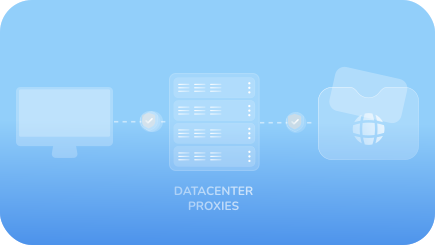
Это работает как любой другой прокси: ваш запрос сначала проходит через прокси-сервер, и веб-сайт видит IP-адрес дата-центра прокси вместо вашего исходного IP-адреса.
Основное различие — исходный IP-адрес. Резидентские прокси домашние IP-адреса, назначенные интернет-провайдером, мобильные прокси используют IP-адреса оператора связи, а дата-центр прокси используют IP-адреса, размещенные на сервере.
Именно поэтому датацентровые прокси обычно быстрые, доступные и легко масштабируемые. В то же время их легче идентифицировать как нежилой трафик, что делает их менее подходящий для сценариев, где доверие к IP-адресу и согласованность сессии имеют большее значение.

Попробуйте высококачественные ISP-прокси от $2.33/IP/30 дней как альтернативу дата-центровым прокси: статические резидентные IP, безлимитный трафик и долгие сессии для стабильной работы
Как работают датацентровые прокси?
Датацентровые прокси расположены между вашим устройством или инструментом и веб-сайтом, который вы пытаетесь посетить.
Вы сначала отправляете запрос прокси-серверу. Прокси-сервер передает его веб-сайту, используя IP-адрес центра обработки данных. Затем веб-сайт отправляет ответ обратно этому прокси-серверу, и прокси-сервер возвращает его вам.
IP-адреса дата-центров работают на серверной инфраструктуре, поэтому они часто имеют нетарифицированный трафик, стабильное оборудование и низкую задержку во многих местах.
Но это не всегда означает, что сценарий будет быстрым. Если IP-адреса используются чрезмерно, помечены или имеют высокий индекс мошенничества, вы можете потратить больше времени на устранение сбоев запросов, повторные попытки и нестабильные сессии, чем на фактическое выполнение задачи.
Типы датацентровых прокси
Дата-центр прокси различаются по типу доступа, поведению сессии и версии IP. Каждый вариант имеет свои компромиссы, особенно в отношении стоимости, репутации и показателей успеха.
Общие прокси дата-центров
Общие дата-центровые прокси используют один пул IP-адресов для нескольких пользователей.
Они дешевле, но риск выше. Если другие пользователи злоупотребляют или спамят с тех же IP-адресов, репутация падает, повышаются показатели мошенничества, а процент успешных операций может стать нестабильным.
Лучше всего подходит для: Базовое тестирование или низкорисковые задачи
Выделенные прокси дата-центров
Выделенные прокси для дата-центров назначаются одному пользователю.
Они дают вам больше контроля и обычно работают лучше, чем общие IP-адреса. Но это все еще IP-адреса дата-центров, поэтому веб-сайты часто могут классифицировать их как трафик, размещенный на сервере.
Лучше всего подходит для: Пользователи, которым требуется большая согласованность, но не нужны IP-адреса с высоким уровнем доверия
Статические дата-центр прокси
Статические дата-центр прокси сохраняют один и тот же IP-адрес в течение времени.
Статический прокси-сервер в дата-центре может помочь, когда вам нужна стабильная сессия, но только если IP-адрес имеет хорошую репутацию. Статический IP-адрес с плохой историей все равно может вызвать сбои в запросах. Хорошей альтернативой может быть ISP прокси.
Лучше всего подходит для: Простые сценарии, требующие одного статического IP-адреса
Ротационные прокси-серверы дата-центров
Ротационные дата-центровые прокси меняют IP-адреса по запросу или через определенные промежутки времени.
Они могут помочь с более широким сбором данных, но ротация не всегда решает проблемы с репутацией. Если пул интенсивно используется повторно, многие IP-адреса по-прежнему могут работать плохо. В качестве решения для лучшего качества, ротационные резидентские прокси можно использовать.
Лучше всего подходит для: Задачи большого объема, где доверие к IP менее важно
IPv4 и IPv6 прокси для дата-центров
IPv4 и IPv6 не являются отдельными типами прокси. Они относятся к версии IP, используемой прокси в центре обработки данных.
IPv4 дата-центр прокси по-прежнему являются более распространенным выбором, поскольку большинство веб-сайтов, браузеров и инструментов поддерживают IPv4 по умолчанию.
Итак, что такое прокси-сервер дата-центра IPv6? Это просто прокси-сервер дата-центра, который использует адрес IPv6 вместо IPv4. IPv6 может быть дешевле и доступнее в больших объемах, но совместимость зависит от целевого веб-сайта, браузера или инструмента автоматизации.
Общие сценарии использования датацентр-прокси
Дата-центровые прокси обычно используются, когда наиболее важны скорость, масштабируемость и низкие первоначальные затраты. Они могут подходить для простых задач, но часто становятся менее эффективными, когда важны доверие к IP-адресу, чистая репутация или стабильные сессии.
Публичный веб-скрейпинг
Датацентровые прокси могут собирать общедоступные данные в больших масштабах, особенно с веб-сайтов с простыми правилами доступа.
Для более сложных целей они могут привести к большему количеству неудачных запросов, поскольку IP-адреса дата-центров легче классифицировать и блокировать. Резидентские или ISP-прокси обычно лучше подходят для более высоких показателей успеха и более эффективного скрейпинга.
Отслеживание SEO
Распространенные случаи использования SEO включают:
- Отслеживание позиций
- Проверка SERP
- мониторинг ключевых слов
- Техническая SEO-оптимизация
Датацентровые прокси могут работать для быстрых проверок, но плохая репутация IP-адресов может сделать результаты нестабильными. Для отслеживания SEO на уровне города резидентские прокси часто являются лучшим вариантом, поскольку они обеспечивают более точное геотаргетинг по странам, городам, почтовым индексам и интернет-провайдерам. Для повторных проверок с одного и того же статического IP-адреса также могут быть полезны прокси от интернет-провайдеров.
Мониторинг цен
Дата-центр прокси могут поддерживать:
- Отслеживание цен в электронной коммерции
- проверка стоимости проезда
- исследование цен конкурентов
- мониторинг наличия на рынке
Тестирование веб-сайтов и приложений
Дата-центр прокси могут помочь с тестированием локализации, нагрузочным тестированием, сценариями QA и проверкой того, как страницы ведут себя в различных регионах.
Для реалистичного регионального тестирования лучше подходят резидентские или мобильные прокси. Для повторяемых тестов с одного статического IP-адреса лучше подойдут ISP-прокси.
Автоматизация сценариев
Дата-центровые прокси могут обрабатывать простые автоматизированные задачи.
Для автоматизации, работающей непрерывно, ИСП-прокси часто являются лучшим выбором, поскольку они обеспечивают статическую надежную личность, низкий уровень мошенничества, высокую производительность и стабильность сессии в течение длительного времени.

Попробуйте высококачественные резидентские и мобильные прокси по цене 1,45 доллара и получите 750 МБ трафика
Преимущества дата-центр прокси
Дата-центровые прокси по-прежнему имеют несколько явных преимуществ, в основном связанных со скоростью, ценой и доступностью.
- Высокая скорость соединения
ЦОД-прокси обычно работают на мощной серверной инфраструктуре, поэтому они могут быть быстрыми и отзывчивыми. Они лучше всего подходят для задач, чувствительных к скорости, где происхождение IP-адреса не имеет большого значения.
- Снижение цен
Датацентровые прокси обычно дешевле резидентских и мобильных прокси. Это может быть полезно, когда вам нужно много IP-адресов с меньшими первоначальными затратами. Обратной стороной является качество. Дешевые датацентровые пулы часто имеют более низкую репутацию IP-адресов, более высокие показатели мошенничества и более низкий процент успешных запросов.
- Легкая доступность
Датацентровые прокси легко найти и просто настроить. Большинство провайдеров предлагают их в различных форматах, включая общие, выделенные, статические и ротационные IP-адреса.
- Хорошо подходит для простых задач с высокой нагрузкой
Датацентр-прокси могут хорошо работать, когда веб-сайты не особо тщательно проверяют источник IP-адреса. Они лучше всего подходят для простых задач, где скорость и стоимость важнее уровня доверия, стабильности сессии или долгосрочной эффективности.
Ограничения датацентровых прокси
Датацентровые прокси могут быть быстрыми и дешевыми, но низкое качество IP-адресов часто создает дополнительную работу: неудачные запросы, повторные попытки и нестабильные сессии.
- IP-адреса центров обработки данных легче классифицировать
Многие веб-сайты могут определять диапазоны IP-адресов хостинга или облачных сервисов. Из-за этого IP-адреса дата-центров могут меньше походить на обычный пользовательский трафик. На чувствительных платформах это может привести к большему количеству неудачных запросов и снижению показателей успешности.
- Репутация может различаться в зависимости от поставщика
Дешёвые пулы дата-центров часто сильно перезагружены. Некоторые IP-адреса могут уже иметь плохую репутацию, высокие показатели мошенничества или спам-активность. Если одна и та же подсеть используется чрезмерно, производительность может быстро упасть.
- Таргетинг по местоположению может быть ограничен
Дата-центр-прокси часто поддерживают таргетинг на уровне страны. Но таргетинг на уровне города, почтового индекса, оператора или интернет-провайдера обычно слабее, чем у резидентских прокси. Это делает их менее полезными для локального SEO, регионального тестирования или сбора данных, специфичных для определенного местоположения.
- Длительные сессии могут быть менее надежными
Статические прокси дата-центров могут сохранять тот же IP-адрес. Но стабильный IP-адрес не всегда является доверенным. Для долгосрочных сценариев с учетными записями прокси от интернет-провайдеров обычно более надежны, поскольку они предлагают статическую идентификацию от интернет-провайдера и лучшую согласованность сессий.
- Не всегда идеально для чувствительных сценариев
Некоторые веб-сайты более строго проверяют трафик из дата-центров. Когда качество IP-адреса и соответствие личности имеют значение, резидентские, мобильные или прокси-серверы интернет-провайдеров в долгосрочной перспективе часто оказываются более эффективными.
Попробуйте высококачественные ISP-прокси от $2.33/IP/30 дней как альтернативу дата-центровым прокси: статические резидентные IP, безлимитный трафик и долгие сессии для стабильной работы
Дата-центр против резидентских против прокси провайдеров
Основное различие между прокси-серверами дата-центров, резидентскими и прокси-серверами интернет-провайдеров заключается в источнике IP-адреса. Этот источник влияет на скорость, уровень доверия, стабильность сессии, таргетинг и долгосрочную эффективность.
ЦОД-прокси часто кажутся дешевле и быстрее на первый взгляд, но они могут стать неэффективными, если IP-адреса чрезмерно используются, помечены как подозрительные или легко классифицируются. Резидентские прокси и прокси интернет-провайдеров обычно работают лучше, когда важны процент успеха, чистая репутация и стабильность сессии.
| Функции | Датацентровые прокси | Резидентские прокси | ISP прокси |
| IP-источник | IP-адреса, размещенные на сервере, которые легче идентифицировать | Реальные домашние IP-адреса, которые выглядят более естественно | Статические резидентские IP назначенные интернет-провайдерами |
| Основное преимущество | Низкая начальная стоимость и быстрая настройка | Улучшенное доверие, ротация и гео-гибкость | Стабильная идентичность с высокой скоростью |
| Скорость | Обычно быстро, но сбои в запросах могут замедлить сценарий | Достаточно быстро для большинства задач обработки данных и автоматизации | Высокая скорость для длительных сценариев |
| Уровень доверия | Ниже на чувствительных сайтах, что может привести к большему количеству блокировок или проверок | Выше, потому что IP-адреса похожи на реальные пользовательские подключения | Выше, чем IP-адреса дата-центров, с более стабильными сессиями |
| Реальная стоимость | Может стать дорого из-за повторных попыток, неудачных запросов и замены IP-адресов | Выше первоначальная стоимость, но меньше потерянных запросов | Предсказуемое ценообразование на основе IP-адресов с безлимитным трафиком |
| Вращение | Статический или ротационный, но часто из повторно используемых серверных диапазонов | Естественное разнообразие IP-адресов для скрейпинга и геоспецифичных задач | Статические IP-адреса для сценариев, которым требуется единая постоянная идентификация |
| Лучшее для | Простое тестирование, базовый скрейпинг и низкорисковые высокообъемные задачи | Исследование рынка, отслеживание SEO, сбор данных и геотаргетированные сценарии | Сценарии учетных записей, круглосуточная автоматизация, электронная коммерция и длительные сессии |
Ключевое отличие между дата-центр и бытовыми прокси
В дата-центр против резиденциальных прокси Дата-центр-прокси обычно выигрывают по скорости и цене. Резидентские прокси выигрывают по доверию, географическому охвату и реальным показателям успеха.
Резидентский прокси использует реальный IP-адрес домашнего пользователя, назначенный интернет-провайдером, что затрудняет его классификацию как трафика, размещенного на сервере. Именно поэтому резидентские прокси часто лучше подходят для скрейпинга, маркетинговых исследований, автоматизации и сценариев, ориентированных на конкретную географию. Резидентские прокси сложнее заблокировать.
Резидентские прокси NodeMaven используют реальные домашние IP-адреса, поддерживают HTTPS и SOCKS5, предлагают фиксированные сессии и включают в себя пул из более чем 30 миллионов IP-адресов в более чем 190 странах с упором на качество.
Попробуйте высококачественные резидентские и мобильные прокси по цене 1,45 доллара и получите 750 МБ трафика
Ключевое различие между дата-центр и ISP прокси
Ключевое различие заключается в доверии к IP-адресам. Дата-центр-прокси используют IP-адреса из хостинговых или серверных инфраструктур, в то время как ISP прокси используйте статические резидентские IP-адреса, назначенные реальными интернет-провайдерами.
Это означает, что оба могут быть быстрыми при неограниченном трафике, но ISP-прокси обычно предлагают более сильную репутацию и лучшую долгосрочную стабильность сессии.
Простыми словами:
- Датацентровые прокси лучше для базовых, высокообъемных задач, где стоимость имеет первостепенное значение
- ISP прокси лучше подходят для стабильных сценариев, где более важны чистые IP-адреса, постоянная идентификация и меньшее количество неудачных запросов
Итак, если вам нужна только скорость, подойдут датацентровые прокси. Если вам нужна скорость плюс надежность, то прокси от интернет-провайдеров обычно являются более сильным выбором.
Что делает прокси ISP лучшим выбором
ISP-прокси находятся между дата-центрами и резидентскими прокси.
Это статические резидентские IP-адреса, назначенные интернет-провайдерами, но размещенные на стабильной инфраструктуре. Это дает пользователям скорость и трафик, сравнимые с дата-центром, с повышенным уровнем доверия к IP-адресам и лучшей стабильностью сессий.
По сравнению с дата-центрными прокси, ISP-прокси обычно лучше подходят, когда вам нужно:
- долгие сессии
- стабильная учетная запись
- Автоматизация 24/7
- сценарии электронной коммерции
- Билетные и кроссовочные сценарии
- партнёрского маркетинга
- сценарии крипто-счета
Прокси-серверы NodeMaven — это статические резидентские IP-адреса с неограниченным трафиком, поддержкой протоколов HTTPS и SOCKS5, возможностью выбора страны, проверкой качества и ценой от 1,49–2,33 долларов за IP-адрес на 30 дней.
Попробуйте высококачественные ISP-прокси от $2.33/IP/30 дней как альтернативу дата-центровым прокси: статические резидентные IP, безлимитный трафик и долгие сессии для стабильной работы
Когда следует использовать прокси-серверы дата-центров?
Датацентр-прокси имеют смысл, когда задача проста, и целевой веб-сайт не слишком заботится об источнике IP-адреса.
Используйте датацентр-прокси, когда скорость и стоимость имеют первостепенное значение
Они могут работать для:
- сбор общедоступных данных
- Базовые SEO-проверки
- внутреннее тестирование
- низкорисковая автоматизация
- задачи с большим объемом на менее строгих веб-сайтах
Здесь низкой цены и быстрого соединения может быть достаточно.
Избегайте дата-центровых прокси, когда важна надежность IP-адреса.
Проблемы обычно начинаются, когда сценарий зависит от чистых IP-адресов и стабильных сессий.
Дата-центровые прокси часто плохо подходят для:
- задачи, управляемые учетными записями
- длительная автоматизация
- чувствительные платформы
- точный геотаргетинг
- Сценарии, в которых неудачные запросы тратят время
В этих случаях более дешевый вариант может стать дороже. Вы тратите больше времени на исправление ошибок, смену IP-адресов и повторение задач. Именно здесь имеет смысл рассмотреть другие типы прокси.
Лучшая альтернатива датацентровым прокси
Нет универсальной замены, которая подходила бы для каждого сценария. Это зависит от ваших потребностей: ротация, поведение мобильного IP или один стабильный IP для длительных сессий.
ISP прокси для стабильных, долгосрочных сценариев
ISP прокси обычно являются ближайшим шагом после датацентровых прокси, но дают лучшие результаты и обеспечивают большую эффективность.
Они по-прежнему обеспечивают высокую производительность, но IP-адреса назначаются реальными интернет-провайдерами и остаются статичными. Это делает их лучшим выбором, когда вам нужна постоянная идентификация и меньше проблем с сессиями.
Лучше всего подходит для:
- непрерывная автоматизация
- Учетно-ориентированные сценарии
- операции в сфере электронной коммерции
- долгие сессии
- задачи, где важен один статический IP
Если вам нравится скорость дата-центровых прокси, но вы постоянно сталкиваетесь с проблемами доверия или стабильности, прокси от интернет-провайдеров (ISP proxies) обычно подходят лучше.
Резидентские прокси для масштабирования и ротации
Резидентские прокси придает больше смысла, когда вам нужен большой ротационный пул и больше естественного разнообразия IP-адресов.
Поскольку они используют реальные домашние IP-адреса, они часто лучше подходят для сценариев, где IP-адреса из дата-центров слишком быстро помечаются как подозрительные или приводят к слишком большому количеству неудачных запросов.
Лучше всего подходит для:
- сбор общедоступных данных
- маркетинговое исследование
- SEO-отслеживание по городам
- мониторинг цен
- Гео-специфичное тестирование
Они также сильнее для задач, связанных с местоположением, особенно когда вам требуется таргетинг по стране, городу, почтовому индексу или уровню интернет-провайдера.
Мобильные прокси для мобильных платформ
Мобильные прокси полезны, когда сценарий зависит от поведения мобильной сети.
Они используют реальные IP-адреса мобильных операторов, что делает их более подходящими для мобильных платформ, приложений и социальных сценариев.
Лучше всего подходит для:
- сценарии в социальных сетях
- CPA-маркетинг
- тестирование мобильных приложений
- криптографические сценарии
- мобильный-первый активность учетной записи
Попробуйте высококачественные ISP-прокси от $2.33/IP/30 дней как альтернативу дата-центровым прокси: статические резидентные IP, безлимитный трафик и долгие сессии для стабильной работы
Почему NodeMaven дает вам больше, чем прокси дата-центров
Дата-центрские прокси могут показаться более дешевым выбором на первый взгляд. Проблема заключается в том, что происходит после настройки. Если IP-адреса уже чрезмерно используются, помечены или легко классифицируются, вы в конечном итоге платите сбоями запросов, повторными попытками, нестабильными сессиями и временем, потраченным на исправление сценария.
NodeMaven разработан для пользователей, которые заботятся о конечном результате, а не только о самой низкой цене прокси. Вы получаете более чистые и надежные варианты прокси с:
- IP-фильтр качества удалить IP-адреса низкого качества или высокого риска перед назначением
- Резидентские прокси для масштабного вращения, сбора общедоступных данных и точного геотаргетинга
- Мобильные прокси для мобильных платформ, приложений и социальных сценариев
- ISP прокси Для статической идентификации, неограниченного трафика и длительных сессий
- Sticky-сессии для сценариев, которым нужен один и тот же IP-адрес в течение более длительного времени
- Гарантия качества для дополнительной уверенности в производительности прокси
- Кешбэк чтобы получить больше ценности от текущего использования резидентских и мобильных прокси
- 2-в-1 резидентский и мобильный доступ в одном плане
Таким образом, вместо того чтобы немного сэкономить на IP-адресах, которые могут создать больше работы в будущем, NodeMaven помогает вам сократить количество неудачных запросов, поддерживать стабильность сессий и получать больше пользы от каждого сценария.
Попробуйте высококачественные резидентские и мобильные прокси по цене 1,45 доллара и получите 750 МБ трафика
Итоговые мысли: стоят ли датацентровые прокси своих денег?
Ц ОДТ дата-центр прокси могут быть выгодны для основных задач. Они быстрые, их легко купить, и обычно они дешевле других типов прокси.
Проблема в надежности. Если IP-адреса используются чрезмерно или уже помечены, сценарий может быстро стать запутанным: неудачные запросы, повторные попытки, нестабильные сессии и дополнительное время, потраченное на смену прокси.
Так что да, датацентровые прокси могут работать, когда задача проста, и происхождение IP не имеет большого значения.
Но для длительных сессий, сценариев с учетными записями, автоматизации или всего, где неудачные запросы стоят времени, прокси от интернет-провайдеров обычно являются лучшим выбором. Для более крупных ротационных задач лучше подойдут резидентские или мобильные прокси.