
Building a Stronger Foundation: How We’re Investing in NodeMaven’s Infrastructure


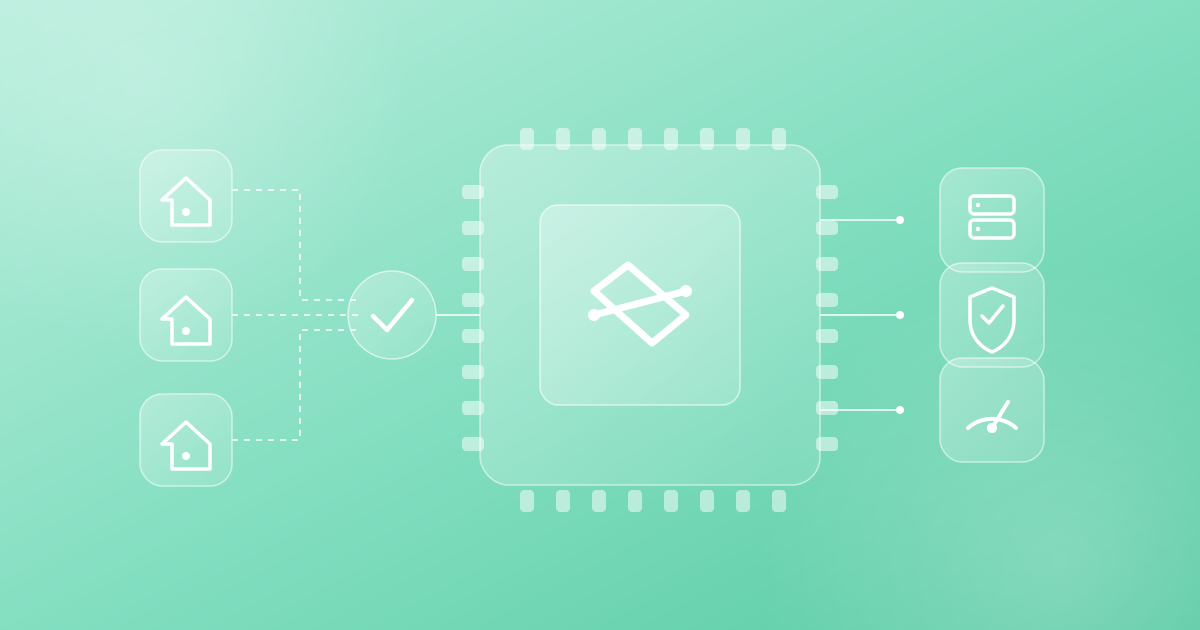

Proxy networks live and die by the infrastructure behind them. As traffic volumes grow and use cases become more demanding, from large-scale web scraping to automation workflows running around the clock, that infrastructure needs to keep pace.
At NodeMaven, we’ve been steadily investing in the systems that power our proxy network. We’ve strengthened several parts of the platform, from server capacity and traffic distribution to backend resource management and communication between internal systems.
Building a stronger infrastructure for NodeMaven
Over the past period, we’ve made targeted improvements across several areas of our infrastructure: capacity, traffic distribution, backend resource management, communication between core systems, network security, and request management.
Each of these areas contributes to the experience you get when using our proxy network.
These improvements are part of an ongoing effort to strengthen NodeMaven as we grow. We’re not just looking at how our infrastructure performs today, but also at how we can build more capacity and resilience for the workloads our customers will run tomorrow.
More capacity and redundancy
We’ve made a significant investment in our server infrastructure, adding more capacity and redundancy across our network.
Why does that matter? More capacity gives us additional headroom when demand increases. When more customers are running large jobs at the same time, that extra capacity helps us handle higher traffic more efficiently and reduces congestion.
For you, this means better proxy experience and infrastructure that is better equipped to support growing workloads, whether you’re scraping thousands of pages or running an automation pipeline continuously.
Smarter traffic distribution
Adding capacity is only part of the equation. We’ve also redesigned how we distribute traffic across our infrastructure.
This process is commonly known as load balancing. In simple terms, it helps us distribute requests more evenly so that available infrastructure is used efficiently and individual parts of the system are less likely to become bottlenecks.
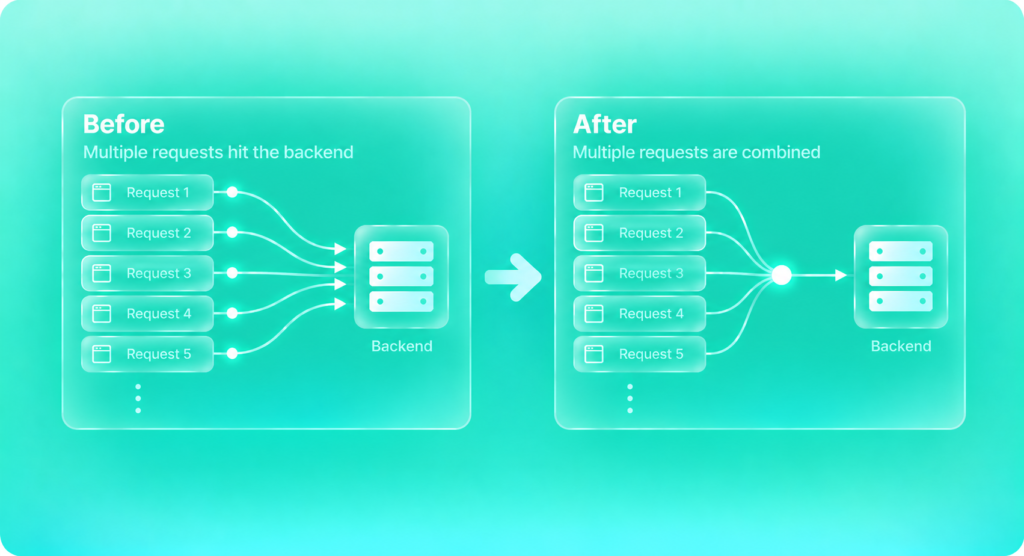
The result is improved traffic handling, better use of available capacity, and more predictable response times.
For customers running high-volume requests, this means fewer slowdowns caused by uneven load and a more consistent experience as traffic patterns change throughout the day.
More consistent backend performance
We also identified and resolved a resource leak in a core backend service.
Resource leaks can cause performance to gradually degrade during extended operation. By addressing the issue and improving resource management, we’ve made it easier for our backend services to maintain performance over longer periods.

For you, this means fewer unexpected restarts during extended workloads. That’s particularly useful for scraping jobs and automation tasks that need to run for hours at a time.
Faster communication across our infrastructure
Another area we’ve focused on is how different parts of our infrastructure communicate with each other.
We’ve optimized communication between our proxy layer and caching and session infrastructure, helping internal requests move through the system more efficiently.
When these systems communicate more efficiently, the benefits can reach the customer side too: faster response times and higher throughput.
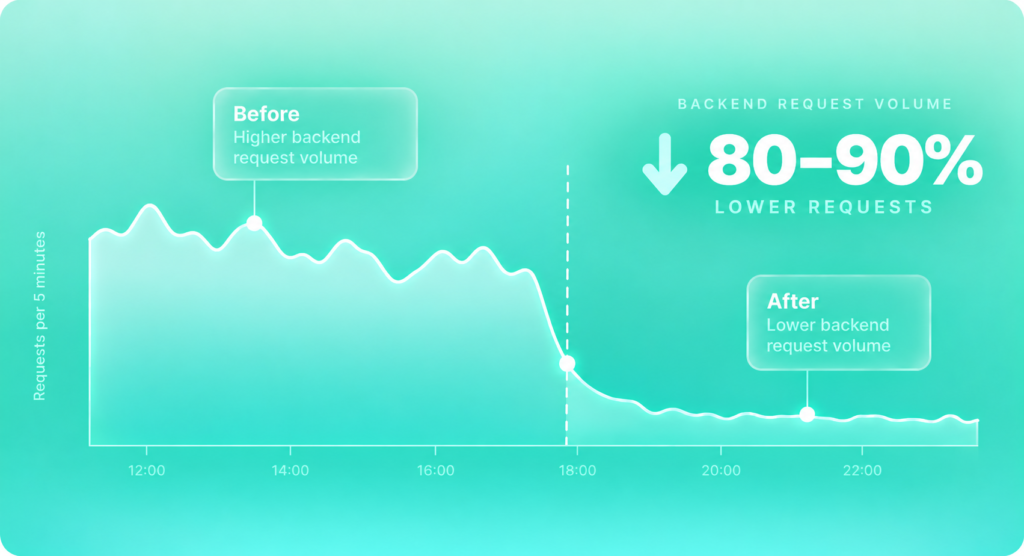
This means a proxy layer that can handle requests more efficiently as workloads grow.
Strengthening security and request management
As part of our ongoing infrastructure work, we’ve continued strengthening network-level security across our systems.
For us, security is an ongoing process rather than a one-time project. As our infrastructure evolves, we continue looking for ways to make the systems behind NodeMaven stronger and more resilient.
We’ve also introduced rate limiting for authentication and unauthenticated requests. This helps us protect service quality and ensure fair access to shared resources as demand grows.
Together, these improvements help us manage infrastructure resources more predictably while supporting an experience for customers across the network.
What these improvements mean for you
All of these changes work together. While each improvement addresses a different part of our infrastructure, the goal behind them is the same: creating a stronger foundation for the workloads you run through NodeMaven.
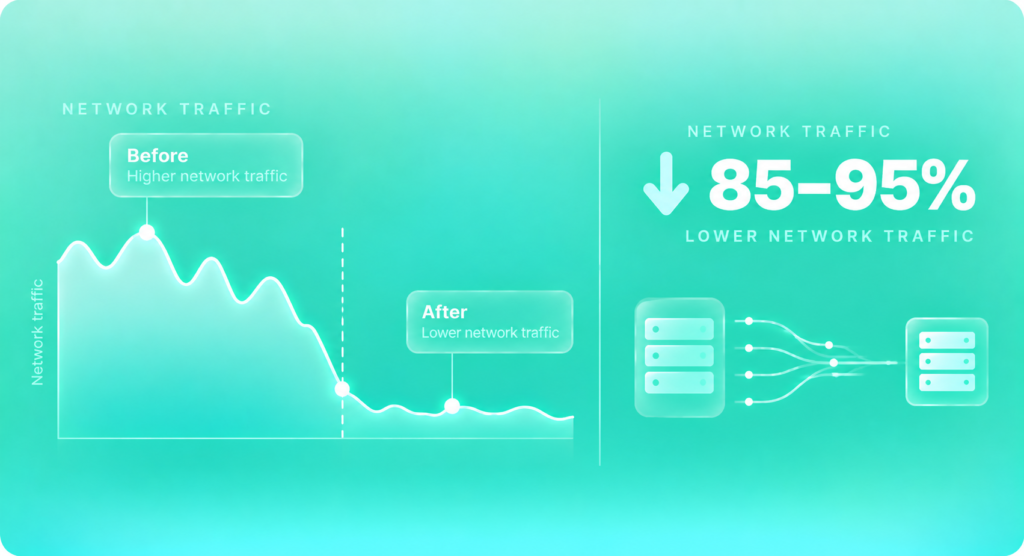
More consistent performance
Additional capacity and smarter traffic distribution help us maintain predictable proxy performance as demand changes.
Better scalability
With more infrastructure capacity available, we have greater headroom to support growing workloads.
Fewer bottlenecks
More efficient traffic distribution and faster communication between internal systems help us make better use of available infrastructure.
Better long-running performance
Improved backend resource management helps support operation during extended sessions and long-running jobs.
A stronger foundation for growth
We’re building our infrastructure with future demand in mind, so NodeMaven continues to scale alongside our customers and their workloads.
These improvements aren’t about reaching a point where infrastructure work is “done.” Instead, they give us a stronger and more resilient foundation to build on as NodeMaven continues to grow.
Continuing to improve
Infrastructure work is never really finished.
As NodeMaven grows, we’ll continue investing in the systems behind our proxy network. That means adding capacity when needed, refining how traffic is distributed, improving backend performance, strengthening security, and finding better ways for our internal systems to work together.
For us, reliability is something we build continuously.
Our goal is simple: give customers infrastructure they can depend on as their workloads become larger, longer-running, and more demanding.

Try NodeMaven’s residential and mobile proxies for yourself!


