Сколько стоят прокси-сервисы и оправданы ли они?



Прокси-сервис стоит денег каждый месяц. Эту часть легко увидеть в счёте. Сложнее увидеть то, во что обходится его отсутствие: заблокированные запросы, сорванные прогоны автоматизации, повторные попытки, съедающие серверное время, и данные, которые в итоге оказываются неполными или неверными.
В этой статье мы рассмотрим обе стороны уравнения: реальную цену работы без прокси, сколько на самом деле стоят прокси-сервисы и в каких случаях они себя окупают. Мы также честно скажем, когда прокси-сервис подключать не стоит. Попутно мы укажем на несколько бесплатных инструментов, которые помогут протестировать конфигурацию, прежде чем на неё решиться.

Собираете данные в вебе в больших объёмах? Попробуйте резидентные прокси NodeMaven за $3.50 и получите 750MB трафика
Реальная цена работы без прокси
Большинство команд не задумывается о прокси-сервисах, пока что-нибудь не сломается. Эти проблемы обычно сводятся к одному: слишком много запросов с одного IP-адреса или с адреса, которому сайт не доверяет.
· Блокировки IP и лимиты запросов
Сайты защищают себя, отслеживая объём запросов. Если за короткий промежуток времени с одного IP приходит много запросов, сайт может замедлить ответы, показать CAPTCHA или заблокировать адрес полностью.
Без возможности распределять запросы между разными адресами это становится жёстким потолком для объёма данных, который вы можете собрать. Ротационные резидентские прокси решают эту задачу, распределяя трафик по большому пулу IP, так что ни один адрес не накапливает достаточно запросов, чтобы вызвать блокировку.
· Неудачные запросы и повторные попытки
Заблокированный или ограниченный запрос редко завершается неудачей аккуратно. Чаще скрипт повторяет его автоматически, добавляя нагрузку на вашу собственную инфраструктуру и на целевой сайт. Повторные попытки означают потраченный впустую трафик, потраченное впустую процессорное время, а в задачах по расписанию — реальный риск вообще не уложиться в окно.
Не все IP здесь равны. Адрес, уже помеченный целевым сайтом, будет чаще давать сбой, как бы аккуратно ни был построен запрос. Именно поэтому качество IP важно не меньше размера пула. Меньший пул ухоженных адресов может показать лучший результат, чем более крупный пул, полный ранее занесённых в чёрные списки адресов.
· Неполные или ненадёжные данные
Когда запросы завершаются неудачно молча, вместо того чтобы вернуть ошибку, ущерб менее заметен, но всё равно реален. Страница может загрузиться в урезанной версии, а результат поиска может отражать не тот регион. Если решения принимаются на основе таких данных, вы можете даже не узнать, что они неверны.
Запрос, который выглядит так, будто он приходит не из той страны или не от того ISP, может привести к показу совершенно другого контента. Если вы хотите точно проверить, как конкретный IP выглядит со стороны, включая его местоположение, ISP и ASN, бесплатный инструмент проверки IP от NodeMaven это быстрый способ проверить адрес, прежде чем на него полагаться.
В чём преимущества использования прокси-сервисов?
Как только вы увидите, откуда берутся скрытые издержки, преимущества прокси-сервиса становятся более конкретными, чем общий список из «безопасности» или «анонимности». Каждое из них решает свою конкретную задачу.
1. Распределяйте запросы между несколькими IP
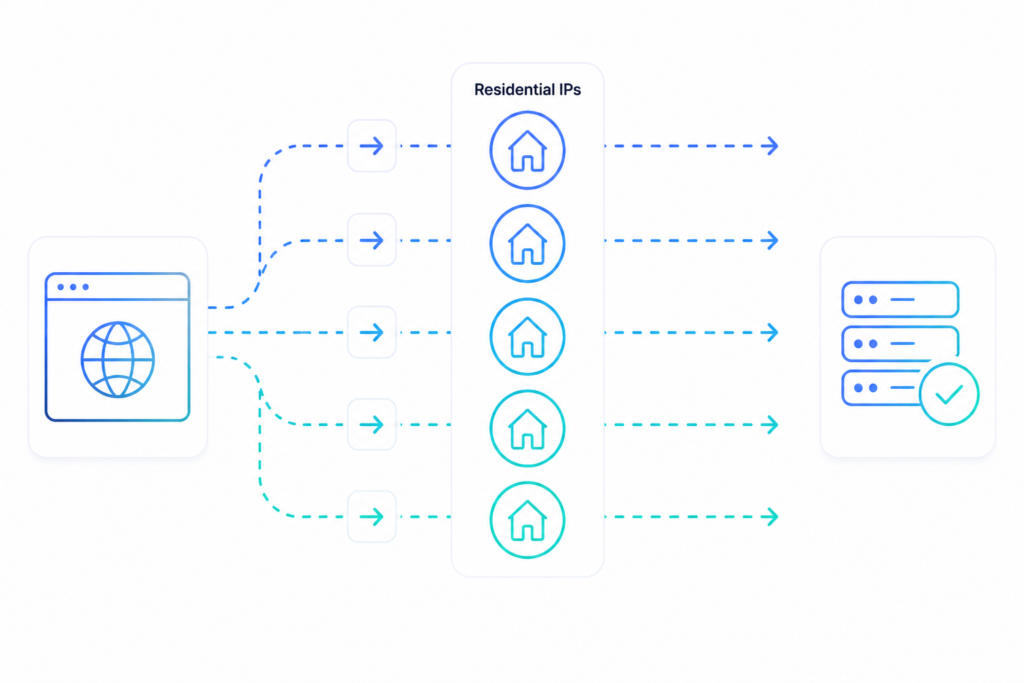
Самое очевидное преимущество — наличие более чем одной личности для работы. Вместо того чтобы каждый запрос шёл с единственного адреса, который сайт может отследить и в итоге заблокировать, запросы распределяются по большому пулу резидентных IP.
С NodeMaven ротационные резидентские прокси может назначать новый IP для каждой сессии или каждого запроса, удерживая нагрузку на один адрес достаточно низкой, чтобы большинство сайтов воспринимали трафик как обычный сёрфинг.
2. Получайте доступ к данным, привязанным к местоположению
Поисковые системы могут использовать местоположение, чтобы выдавать более релевантные результаты. Google, например, объясняет, что местоположение пользователя может влиять на результаты, которые он видит, особенно для локальных запросов.
Если ваше подключение находится в одном месте, а вам нужно увидеть, как страница выглядит из другого, прокси в нужной локации делает это возможным.
3. Запускайте веб-автоматизацию более стабильно
Автоматизированные браузеры, созданные на Selenium, Playwright или Puppeteer, эффективны, но их легко вычислить, когда все сессии используют один IP.
Связка автоматизации с резидентными или мобильными прокси делает каждую сессию похожей на другого реального пользователя, снижая частоту, с которой скрипт натыкается на CAPTCHA или на молчаливую блокировку посреди выполнения.
Смотрите наше руководство по использованию резидентных прокси с шагами по настройке.
4. Поддерживайте стабильные сессии
Не каждому рабочему процессу нужна постоянная ротация. Вход в аккаунт, заполнение многошаговой формы или удержание корзины покупок обычно работают лучше со стабильной личностью.
Для этого и нужны sticky-сессии: вместо нового IP на каждый запрос один и тот же адрес сохраняется в течение заданного периода. NodeMaven поддерживает sticky-сессии на резидентных и мобильных прокси, а статичные резидентные (ISP) прокси доступны для еще болеедлительных стабильных подключений.
Нужно ротировать IP для вашего парсинга? Попробуйте ротационные резидентные прокси NodeMaven: 750MB за $3.50
Где используются прокси-сервисы?
Ценность прокси-сервиса яснее всего проявляется в контексте реальной задачи.
· Веб-скрейпинг
Сбор данных о товарах, ценах или отзывах в больших объемах рано или поздно почти всегда упирается в ограничения по IP. Резидентные и ротационные резидентные прокси распределяют эту нагрузку по множеству адресов, поддерживая высокий процент успешных запросов.
· SEO и мониторинг SERP
Отслеживание позиций зависит от того, видите ли вы ту же страницу, которую увидел бы реальный местный пользователь. Один IP, особенно серверный, может возвращать обобщенные или неточные результаты. Распределение SERP-запросов по резидентным IP в целевом регионе дает более точную картину.
· Веб-автоматизация
Помимо скрейпинга, автоматизация браузера решает задачи QA-тестирования, отправки форм и повторяющихся рабочих процессов. Связка фреймворков автоматизации с прокси, прошедшими фильтрацию по качеству, означает меньше сбоев, вызванных ограничениями на уровне IP, а не реальными ошибками в коде.
· Мультиаккаунтинг
Управление несколькими аккаунтами на одной платформе обычно означает, что каждому аккаунту нужна своя сетевая личность. Здесь полезны мобильные прокси, поскольку выданные оператором IP используются совместно множеством реальных пользователей, из-за чего автоматизированную активность сложнее отличить.
NodeMaven предоставляет резидентные и мобильные IP в одной панели управления, поэтому в рамках рабочего процесса можно проверить, какой тип показывает себя лучше на конкретной платформе. Смотрите лучшие прокси для мультиаккаунтинга для советов по конкретным платформам.
· Проверка рекламы
Чтобы убедиться, что объявление отображается корректно, в нужном регионе и нужной аудитории, необходимо видеть страницу так, как ее увидел бы реальный местный посетитель.
Резидентные и мобильные прокси, размещенные на целевом рынке, позволяют рекламодателям напрямую проверять отрисовку креативов и точность таргетинга.
Сколько стоят прокси-сервисы?
Стоимость прокси зависит от нескольких факторов, а не от одного фиксированного тарифа: типа прокси, необходимого объёма трафика или количества IP, целевых локаций, ротации или фиксированности сессий, а также того, насколько тщательно провайдер фильтрует пул, чтобы поддерживать его чистоту.
Резидентные и мобильные прокси обычно тарифицируются по объёму трафика, поскольку расход зависит от размера и частоты запросов.
ISP, или статические резидентные, прокси обычно тарифицируются за каждый IP на фиксированный срок, так как ценность здесь в стабильном, долгоживущем адресе, а не в объёме трафика.
| Тип прокси | Типичная модель тарификации | Типичные случаи использования | Основная ценность |
| Резидентские | Оплата за GB трафика | Веб-скрейпинг, SEO-мониторинг, исследование рынка, проверка рекламы | Широкий географический охват и репутация IP реальных пользователей |
| мобильные | Оплата за GB трафика | Управление несколькими аккаунтами, соцсети, доступ с мобильных сетей | IP операторов связи, которые сливаются с обычными мобильными пользователями |
| ISP (статический жилой) | Оплата за IP на фиксированный срок | Управление аккаунтами,длительные сессии автоматизации, задачи, чувствительные к скорости | Стабильный, быстрый и долгоживущий адрес вместо ротации объёмов трафика |
В NodeMaven резидентные и мобильные прокси начинаются от $2.20 за GB, а ISP-прокси - от $2.99 за IP на срок 30 или 90 дней.
A Пробный доступ за $3.50 с 750 MB трафика распространяется и на резидентный, и на мобильный пул - этого достаточно, чтобы проверить производительность на реальной цели до дальнейших вложений.
Управляете несколькими аккаунтами? Попробуйте мобильные прокси NodeMaven за $3.50 и получите 750MB трафика
Как выбрать выгодный прокси-сервис
Цена за GB - это лишь часть картины. Дешёвый тариф на низкокачественном пуле IP в итоге обходится дороже, если учесть повторные запросы и время на разбор проблем.
Качество IP
Большой пул IP звучит внушительно, но сам по себе его размер не показывает, сколько адресов уже помечены как подозрительные. Провайдеры, которые фильтруют IP в реальном времени перед выдачей, как правило, дают меньше неудачных запросов, даже при сопоставимой цене.
Географическое покрытие
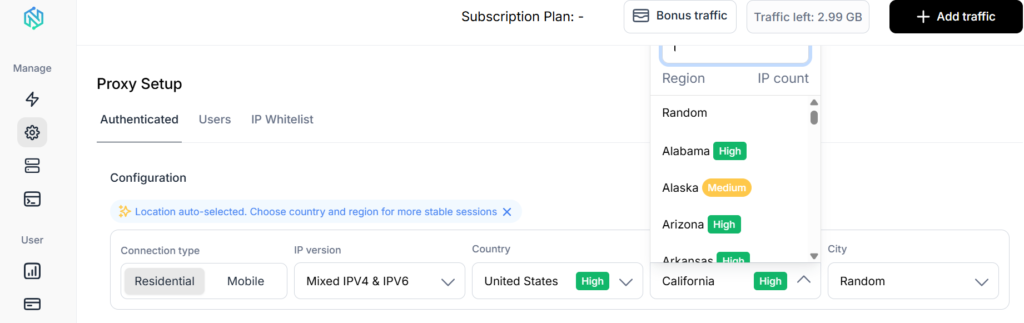
Если ваша работа зависит от точности по регионам, убедитесь, что провайдер поддерживает нужный вам уровень таргетинга. Таргетинг по стране есть у всех, но для локального SEO или проверок по конкретным регионам важнее уровень города или ZIP.
Ротация и варианты сессий
Подбирайте тип сессии под задачу. Для скрапинга больших объёмов обычно выгоднее ротация IP, а для входа в аккаунты и оформления заказов чаще нужна закреплённая сессия, которая удерживает один и тот же адрес минуты, часы или дни.
Доступ к резидентным и мобильным прокси
Одни сценарии лучше работают на резидентных IP, другие заметно эффективнее на IP мобильных операторов, особенно на платформах, которые тесно работают с mobile-first трафиком.
NodeMaven предоставляет и резидентные, и мобильные прокси в одной панели по единой тарифной модели, поэтому рабочий процесс можно переключать или тестировать оба варианта без отдельных аккаунтов.
Стоят ли прокси-сервисы своих денег?
Единого ответа, подходящего для любой ситуации, нет, но несколько закономерностей повторяются постоянно.
Прокси-сервис с большей вероятностью окупается, когда:
- Объём запросов достаточно велик, чтобы вызвать ограничения по частоте или блокировки одного IP
- Ограничения по IP уже мешают работе существующего процесса
- Задача зависит от данных, привязанных к местоположению: например, от региональной выдачи или локальных цен
- Автоматизация работает непрерывно или по расписанию, а не запускается изредка и разово
- Несколько аккаунтов или сессий должны оставаться изолированными друг от друга
- Точность и полнота данных важны для решений, которые на них строятся
Прокси-сервис может быть не нужен, когда:
- Просмотр или проверка выполняются изредка и вручную
- Объём запросов настолько мал, что один IP редко попадает под подозрение
- Рабочий процесс полностью происходит во внутренних системах, а не на публичных сайтах
- Нет необходимости просматривать контент из нескольких локаций или поддерживать отдельные личности
У прокси есть видимая, прямая цена. У работы без прокси цена тоже есть, просто она распределяется между повторными попытками, потерянным временем и ненадёжным результатом, а не отображается отдельной строкой в счёте.
Почему NodeMaven — идеальный вариант
Если описанные выше сценарии совпадают с вашей ситуацией, NodeMaven построен вокруг нескольких вещей, которые важнее всего для рабочих процессов, чувствительных к затратам и ориентированных на надёжность.
Жилой и ротационные резидентские прокси охватывают скрейпинг, мониторинг и исследовательские задачи, которым нужен широкий географический охват, а мобильные прокси. справляются с платформами, чувствительными к мобильному оператору, и с мультиаккаунтными процессами, где важно доверие к мобильному трафику.
Оба типа доступны в одной панели управления в рамках единой структуры тарифов, поэтому рабочий процесс может переключаться между типами IP без жонглирования разными провайдерами и счетами.
Фильтр качества IP отсеивает адреса ещё до того, как они попадут к вам, географический таргетинг доходит до города, а во многих локациях и до ZIP-кода, а сессии могут ротироваться или оставаться закреплёнными в зависимости от задачи.
Бесплатные инструменты, включая проверка пропускной способности и IP-поиск позволяют легко проверить настройку до её масштабирования.
Нужны прокси для данных по конкретной локации? Попробуйте резидентные прокси NodeMaven за $3.50 и получите 750MB трафика