
Как разблокировать сайты: 7 простых и безопасных методов (2026)



Вы нажимаете на ссылку и вместо нужной страницы получаете сообщение об ошибке. Или сообщение о том, что контент недоступен в вашей стране. Рано или поздно с этим сталкивается почти каждый, и это редко бывает так серьёзно, как кажется.
Существует несколько причин, по которым сайт перестаёт загружаться, и столько же способов это исправить. Некоторые решения занимают десять секунд. Другие требуют чуть больше настройки, но дают гораздо более стабильный результат.
В этом руководстве мы разберём 7 безопасных способов разблокировки сайтов — от самых быстрых настроек браузера до инструментов, созданных для тех, кому нужен надёжный доступ каждый день. Мы также рассмотрим бесплатные сервисы для разблокировки и разберёмся, действительно ли ими безопасно пользоваться, а затем сравним все способы между собой, чтобы вы могли выбрать тот, который подходит именно вам.
Если вы когда-нибудь вбивали в Google «как разблокировать сайт» в 11 вечера в надежде на быстрый ответ, это руководство должно вам помочь.

Разблокируйте сайты с помощью быстрых и надёжных резидентных, ISP- и мобильных прокси. Попробуйте NodeMaven от $3,50 с 750 МБ в комплекте
Почему сайты блокируются?
Прежде чем пытаться разблокировать доступ к сайту, полезно понять, почему это произошло. Причина обычно относится к одной из следующих категорий.
- Гео-ограничения
Некоторый контент лицензирован только для определённых стран. Стриминговые сервисы делают это постоянно.
- Ограничения со стороны интернет-провайдера
Ваш интернет-провайдер, учебное заведение или рабочая сеть могут намеренно блокировать определённые сайты.
- IP-баны
Сайт может заблокировать IP-адрес после необычной активности, иногда без каких-либо неправильных действий с вашей стороны.
- Временные ограничения сайта
Сам сайт может быть недоступен, перегружен или обновляться.
- Сетевая фильтрация
В некоторых странах фильтрация на государственном или региональном уровне полностью блокирует определённые домены.
Как только вы поймёте, какая из причин применима, будет гораздо проще выбрать правильный способ разблокировать заблокированные сайты, а не действовать наугад.
Способ 1. Используйте прокси (рекомендуется)
Ан Интернет-провайдер, мобильный или резидентский прокси направляет ваш трафик через реальный IP-адрес, назначенный интернет-провайдером настоящему домашнему устройству. Сайты видят обычное подключение, а не адрес сервера или дата-центра.
Это важно, потому что большинство сайтов гораздо более подозрительно относятся к IP-адресам дата-центров. Их дёшево получить оптом, поэтому именно их первыми помечают для блокировок, CAPTCHA и ограничений скорости.
Бесплатные веб-прокси и браузерные расширения могут подойти, чтобы быстро взглянуть на страницу, но обычно они делят небольшой пул IP между тысячами пользователей. Такие адреса быстро попадают под подозрение, и вам остаётся лишь обновлять страницу в надежде получить другой.
NodeMaven предлагает все типы прокси, поэтому вы можете выбрать лучший вариант под свои задачи.
Для повседневного сёрфинга и длительных сессий ISP прокси являются лучшим выбором благодаря быстрым, стабильным подключениям и неограниченный трафик.
Если вам нужен доступ к сайтам с более строгими гео-ограничениями или продвинутой защитой от ботов, резидентные и мобильные прокси предоставляют доверенные IP-адреса, которые с меньшей вероятностью будут заблокированы.
В 30+ миллионов IP через 190+ стран, гибкий таргетинг по местоположению, закрепленные и ротируемые сессии, а также Фильтр качества IP, NodeMaven обеспечивает гораздо более надежную работу, чем бесплатные сервисы разблокировки сайтов.
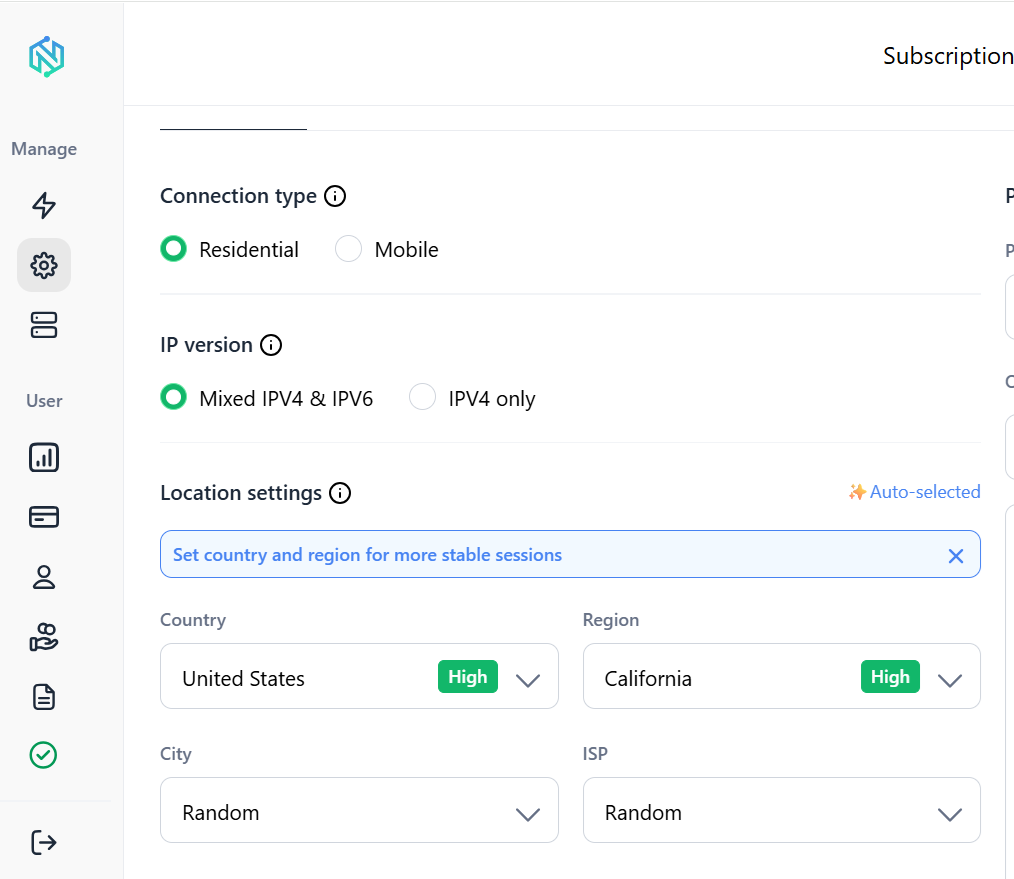
Панель управления, где вы выбираете локацию, тип сессии и настройки, не прикасаясь к файлу конфигурации
Всё это не про то, чтобы скрывать ваши действия. Это про подключение через IP-адрес, у которого у сайта нет причин вызывать недоверие, и обычно именно это отличает нормальную загрузку страницы от появления экрана с блокировкой.
Способ 2. Используйте VPN
VPN шифрует ваше соединение и направляет его через сервер в выбранной вами локации. Вероятно, это метод, о котором большинство людей уже слышали.
Плюс в простоте. Большинство VPN-приложений настраиваются за пару минут, и как только VPN включен, ваш просмотр скрыт от вашего интернет-провайдера и от всех, кто наблюдает за сетью.
Минус в том, что IP-адреса VPN-серверов хорошо известны, поскольку один и тот же небольшой набор адресов используется тысячами подписчиков. Стриминговые платформы и некоторые сайты ведут списки таких адресов и блокируют их напрямую. Скорость также может падать, особенно на более загруженных или удаленных серверах.
VPN — надежный и удобный вариант для базовой конфиденциальности и для разблокировки множества повседневных сайтов. Просто он не всегда оказывается самым надежным выбором против сервисов, которые активно выявляют VPN-трафик.
Способ 3. Попробуйте веб-прокси
Веб-прокси — это сайт, который загружает для вас другую страницу и отображает ее в вашем браузере. Ничего не нужно устанавливать: ни приложения, ни меню настроек. Вы вставляете URL в поле, и страница загружается через собственное соединение прокси.
Это делает его действительно удобным для быстрой разовой проверки, например, чтобы посмотреть, доступна ли конкретная страница из другого региона. Это самый простой способ разблокировать сайт, когда вам нужен лишь быстрый ответ.
Подвох в том, что бесплатные веб-прокси, как правило, идут с назойливой рекламой, а некоторые с трудом корректно загружают страницы, если сайт использует много скриптов или медиа. К тому же они не предназначены для того, что вы делаете регулярно, поскольку соединение сбрасывается каждый раз, а производительность сильно различается от одного прокси к другому.
Способ 4. Смените DNS-сервер
Ваш DNS-сервер преобразует имена сайтов в адреса, к которым может подключиться ваше устройство. Иногда ваш DNS по умолчанию, часто заданный вашим ISP, блокирует или замедляет определенные сайты.
Переход на публичного DNS-провайдера может решить эту проблему, не затрагивая ничего другого в вашем соединении. Это небольшое изменение настроек, а не полноценное решение для разблокировки сайтов, но его стоит попробовать, поскольку это занимает всего пару минут и ничего не стоит.
Хватит иметь дело с заблокированными сайтами и CAPTCHA. Получите чистые резидентные, ISP- и мобильные прокси с NodeMaven от $3.5
Способ 5. Используйте браузер Tor
Tor направляет ваш трафик через несколько серверов, поддерживаемых волонтёрами, прежде чем он достигнет пункта назначения, добавляя слой шифрования на каждом шаге. Он создан с приоритетом на конфиденциальность, а не на скорость.
Страницы загружаются заметно медленнее, чем в обычном браузере, а некоторые сайты полностью блокируют выходные узлы Tor, точно так же, как они блокируют известные IP-адреса VPN. Тем не менее для тех, кому особенно нужна надёжная анонимность, или кто находится в регионе с жёсткой интернет-цензурой, Tor — один из немногих инструментов, разработанных именно для такой ситуации.
Для повседневного веб-сёрфинга или стриминга это обычно избыточно
Способ 6. Проверьте настройки браузера
Иногда блокировка исходит вовсе не от сети. Проблемой может быть ваш собственный браузер.
Несколько вещей, которые стоит попробовать в первую очередь:
- Очистите кэш и файлы cookie, поскольку устаревшие данные могут приводить к сбоям загрузки страниц.
- Отключайте расширения по одному, особенно блокировщики рекламы или инструменты конфиденциальности, которые могут мешать работе некоторых сайтов.
- Обновите браузер до последней версии.
- Попробуйте совсем другой браузер. Страница, которая не загружается в Chrome, иногда нормально открывается в Safari, или наоборот.
Это не устранит реальную гео-блокировку или ограничение со стороны ISP, но позволит исключить куда более простое объяснение, прежде чем вы начнёте искать более серьёзное решение.
Способ 7. Попробуйте другое интернет-соединение
Если сайт заблокирован в вашей домашней сети Wi-Fi или в рабочей сети, полная смена подключения поможет подтвердить, откуда исходит ограничение.
- Попробуйте мобильную точку доступа на своём телефоне.
- Подключитесь к другой сети Wi-Fi, если такая доступна.
- Проверьте из совершенно другой сети, например из публичной, чтобы сравнить результаты.
Если в другом месте сайт загружается нормально, значит блокировка характерна именно для вашей исходной сети, а это многое говорит о том, какое решение вам на самом деле нужно.
Безопасны ли бесплатные сервисы для разблокировки сайтов?
Бесплатные инструменты соблазнительны, особенно для разовой задачи. Но стоит понимать, чем вы расплачиваетесь за это удобство.
| Риск | Объяснение |
| Реклама | Многие бесплатные сервисы для разблокировки полностью финансируются за счёт агрессивной, порой обманчивой рекламы, которая может перенаправлять вас на другие страницы. |
| Отслеживание | Ваш трафик проходит через их серверы, поэтому они могут видеть и логировать то, что вы просматриваете. |
| Вредоносное ПО | Некоторые бесплатные браузерные расширения и сайты-разблокировщики устанавливают вместе с собой нежелательное ПО или вредоносный код. |
| Низкая скорость | Бесплатными серверами одновременно пользуется огромное число людей, поэтому страницы могут загружаться намного дольше. |
Всё это не означает, что каждый бесплатный инструмент опасен. Просто бесплатные варианты где-то экономят, и обычно это происходит за счёт приватности, скорости или того и другого сразу. Для чего-то большего, чем быстрая и несерьёзная проверка, платный и должным образом обслуживаемый вариант будет более безопасным выбором.
Какой способ лучше?
Единого лучшего решения для всех не существует. Всё зависит от того, как часто вам нужен доступ, насколько для вас важна скорость и имеет ли приватность такое же значение, как надёжность.
| Метод | Простота использования | Конфиденциальность | Скорость | Лучшее для |
| Прокси | Легко | Хорошо | Быстро | Надёжный и частый доступ без блокировок |
| VPN | Легко | Хорошо | Medium | Общая приватность и повседневный обход блокировок |
| Веб-прокси | Очень легко | Низкий | Medium | Быстрые разовые проверки |
| Смена DNS | Легко | Низкий | Быстро | Простые блокировки на уровне ISP |
| ТОР | Medium | Очень хорошо | Медленно | Ситуации с повышенными требованиями к приватности или сильной цензурой |
Для большинства людей, которым нужно, чтобы сайт работал стабильно, без постоянных повторных блокировок и обрывов сессий, резидентные прокси — самый сильный вариант в целом.
NodeMaven, в частности, предоставляет вам реальные домашние IP, таргетинг на уровне города и «липкие» сессии, которые не разваливаются посреди задачи, — именно то, что не могут предложить простые бесплатные инструменты.
Получайте доступ к заблокированным сайтам с помощью надёжных резидентных, ISP- и мобильных прокси. Начните пробный период NodeMaven от $3,50 с 750 МБ в комплекте